Introduction
If you’re in Vietnam and need reliable internet connections for various tasks, purchasing a residential proxy API is a smart choice. This article explains what residential proxies are, how they function, practical use cases, and important safety considerations. Whether for SEO purposes, anonymous browsing, or market research, obtaining a residential proxy API can significantly enhance your online activities.
What It Means / How It Works
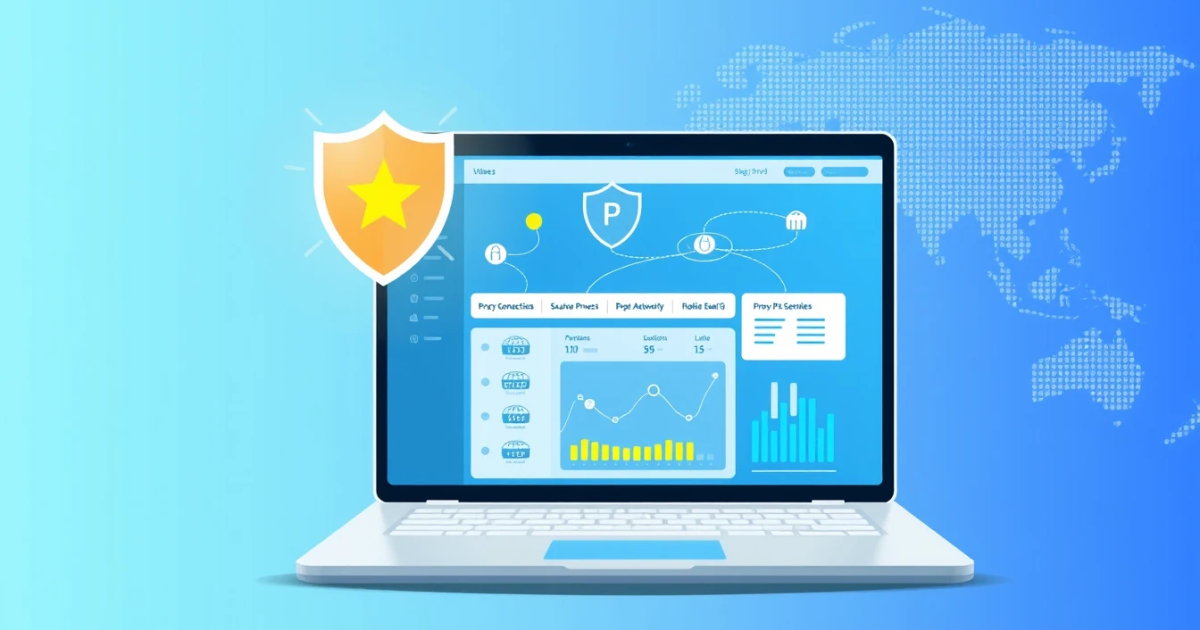
Residential proxies are IP addresses provided by Internet Service Providers (ISPs) rather than data centers. This means they appear as regular domestic internet connections, which helps disguise your online identity. A residential proxy API allows users to access a network of residential proxies programmatically through an API, making it easy to integrate with software applications.
When you send a request through a residential proxy, your requests appear to come from the residential IP, thereby masking your real IP address. This not only increases privacy but also enables users to bypass restrictions imposed by websites based on geographical location.
Here's how the process works:
- You sign up for a residential proxy service.
- You receive access credentials, including an API endpoint.
- The API enables you to manage requests to various IP addresses in the rotational pool.
- Your request goes out through a residential IP, fetching data that appears to come from local users.
Practical Scenarios
Understanding the contexts in which residential proxy APIs can be useful can help you make informed decisions:
- **Market Research:** Gather pricing data or product information across various websites without getting blocked.
- **SEO Monitoring:** Track rankings or analyze competitors while simulating searches from different locations.
- **Ad Verification:** Ensure your ads are displayed properly across platforms in your target regions.
- **Data Scraping:** Collect information without triggering security measures typically set by websites.
- **Social Media Management:** Manage multiple accounts while mitigating the risk of bans.
- **Web Testing:** Test applications or websites to ensure they're functioning correctly for users in different geographic areas.
- **E-commerce Pricing Monitoring:** Keep an eye on competitor pricing strategies in various markets.
- **Web Research:** Access research materials restricted to specific geolocations.
- **Authentication Bypassing:** Overcome location-based restrictions for various online services responsibly.
- **Content Localization:** Collect feedback on localized content without geographical friction.
Step-by-step
Setting up and utilizing a residential proxy API is straightforward. Here’s how you can do it:
- Visit a reputable proxy service provider’s website and create an account.
- Navigate to the pricing or plans section and select the residential proxy API option that fits your needs.
- Complete the purchase to gain access. Check your email for login credentials.
- Log in to your account on the proxy provider’s dashboard to view API documentation.
- Familiarize yourself with the API features, endpoints, and methods available for usage.
- Integrate the API with your software or applications using the provided credentials.
- Start sending requests via your application utilizing the residential IP addresses allocated by the API.
- Monitor performance and results directly from the provider's dashboard.
- Adjust your settings as necessary to improve data accuracy and request success rates.
- Ensure compliance with terms of service as outlined by your selected proxy provider.
Safety/Privacy/Legal
Using a residential proxy API can come with potential legal and ethical considerations. Here are ways to stay compliant:
- Only use residential proxies for ethical and legitimate purposes, such as marketing research, price comparison, and SEO analytics.
- Get acquainted with the local laws in Vietnam regarding data collection and privacy rights.
- Avoid bypassing authentication measures or scraping sensitive personal data without permission.
- Read the terms of service provided by the proxy provider; compliance helps prevent service termination.
- Utilize proxies responsibly by respecting the rate limits and consider using the proxies for load balancing to prevent server overload.
- Fuel your understanding of and respect for robots.txt files that dictate how material can be scraped or gathered.
Best Alternatives
While considering a residential proxy API service, evaluations for performance, pricing, and customer service are essential. One provider to contemplate is PinkProxies, which offers various proxy options tailored for different workflows. They provide both residential and datacenter proxies that may cater to your needs depending on your specific scenarios. However, remember to assess various providers before deciding.
Frequently Asked Questions
Q: Which proxy type should I choose?
A: The choice largely depends on your specific needs. Residential proxies are ideal for legitimacy and avoiding bans, whereas datacenter proxies can be more cost-effective for bulk requests.
Q: Are residential proxies better than datacenter proxies?
A: It depends on use cases; residential proxies offer better anonymity and less chance of being blocked, making them preferable for sensitive tasks.
Q: When should I use rotating proxies?
A: Use rotating proxies when conducting bulk data scraping or automated tools requiring continuous access from multiple IP addresses without interruption.
Q: When should I use sticky sessions?
A: Sticky sessions are useful when you need to maintain the same IP address for longer sessions, as is often required in social media management or account creation.
Q: Can proxies help with SEO tools?
A: Yes, proxies enable you to analyze SEO rankings, gather SERP data, and monitor local market conditions without risking IP bans.
Q: Are proxies legal?
A: Proxies themselves are legal; misuse, like scraping sensitive information or violating terms of service, may lead to legal issues.
Q: Why do proxies get blocked?
A: Websites often block proxies due to abnormal behavior patterns or excessive requests that deviate from typical user activity.
Q: How do I reduce failed requests?
A: Regularly rotate IPs, responsibly manage request rates, and adhere to website-specific guidelines like robots.txt.
Q: How do I choose the right proxy location?
A: Select a location that matches your target audience or testing requirements to ensure local content rendering, accuracy, and legality.
Q: How do I test a proxy before scaling?
A: Conduct limited volume tests first to observe performance, verify IP status, and check for accuracy in data retrieval.
Conclusion
Purchasing a residential proxy API in Vietnam can give you a distinct advantage for a range of online activities, from SEO monitoring to ad verification. Ensure you choose a reliable provider and abide by legal and ethical standards to maximize your success. With services like PinkProxies available, starting your journey into proxy use can be both accessible and practical.