Introduction
As cybersecurity threats continue to evolve, researchers need the right tools to explore vulnerabilities and test systems securely. Daily rental proxies have emerged as a convenient solution for conducting cybersecurity research, allowing users to access the internet anonymously. In this article, you will learn what daily rental proxies are, how they work, their practical applications, and essential guidelines for ensuring safety, privacy, and compliance with relevant laws.
What It Means / How It Works
Daily rental proxies are IP addresses rented on a daily basis, allowing researchers to route their web traffic through different servers. This arrangement masks the original IP address, providing anonymity while accessing web resources. Depending on the provider, these proxies may be residential, datacenter, or even mobile, offering different benefits in terms of speed and authenticity.
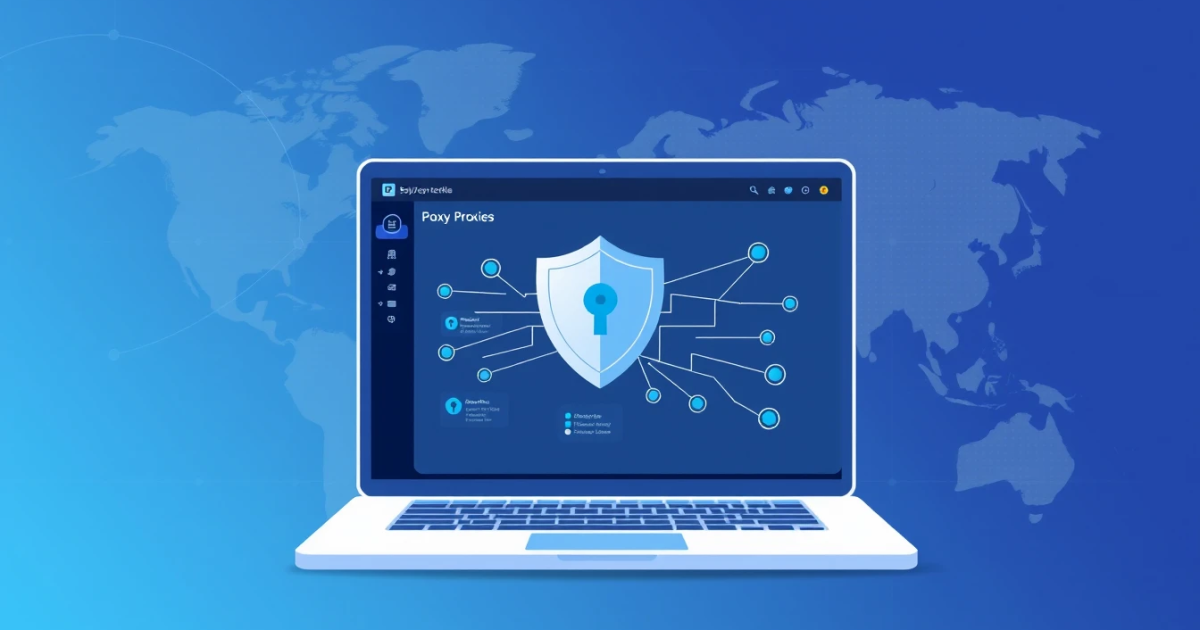
When using a daily rental proxy, the connection request is sent from a proxy server instead of the researcher’s device directly. The proxy server communicates with the targeted website and retrieves the requested data while forwarding it back to the user. This process helps protect privacy and can avoid detection by certain web applications.
Practical Scenarios
Daily rental proxies can serve many purposes in cybersecurity research. Here are several scenarios where they prove beneficial:
- Testing website security measures to identify potential vulnerabilities.
- Conducting penetration testing by simulating attacks while remaining anonymous.
- Analyzing the response of web applications to common security threats.
- Researching public APIs without revealing the researcher's identity.
- Gathering data for phishing research and simulating various user scenarios.
- Accessing location-restricted data to test how regional variations affect security measures.
- Rate-limiting bypassing for testing-endurance of networks against rapid requests.
- Enhancing the privacy of researchers when venturing into complicated areas of cybersecurity.
- Conducting content scraping from websites to analyze security protocols.
- Preparing security demonstrations that require multiple sessions with different geolocations.
Step-by-Step
Getting started with daily rental proxies for cybersecurity research can be a straightforward process. Here’s a step-by-step approach:
- Identify your research needs, considering factors like geographic targeting or data types.
- Select a reputable proxy service that offers daily rental options, such as residential or datacenter proxies.
- Create an account through the service's registration page, and add the necessary funds to your account.
- Choose the proxy type and plan that best matches your needs and start renting your proxies.
- Obtain your proxy settings and credentials (IP address, port, username, and password).
- Configure your research tools or applications with these proxy details for anonymity.
- Conduct a brief test to ensure everything is functioning correctly without compromising security.
- Begin your cybersecurity research using the rented proxies, monitoring for any connectivity issues or performance limitations.
- Evaluate your progress regularly and adjust the configurations as needed.
Safety / Privacy / Legal
While utilizing daily rental proxies can significantly enhance your cybersecurity research efforts, paying attention to safety, privacy, and legal considerations is crucial.
- Always adhere to relevant laws and ethical guidelines in your research.
- Respect the terms of service of websites you are testing and avoid actions that may lead to legal consequences.
- Avoid bypassing protections or engaging in malicious activities; focus instead on legitimate cybersecurity practices.
- Utilize proxies to anonymize but do not misuse the anonymity for illegal purposes.
- Be wary of potential data breaches and use high-quality proxies to minimize exposure to low-reputation networks.
- Engage in preventive balancing, such as respecting rate limits to avoid detection as a bot.
Best Alternatives
Choosing the right type and provider for proxies is essential for effective cybersecurity research. While many options exist, reputable services like PinkProxies offer various proxy types that can fit different research needs. They specialize in daily rentals with customizable proxy settings, making it simple for researchers to find what works for them.
Frequently Asked Questions
Q: What is a daily rental proxy?
A: A daily rental proxy is an IP address accessible for a day, allowing users to route their traffic through the proxy for anonymity.
Q: Why are daily rental proxies suitable for cybersecurity research?
A: They provide anonymity, reduced chances of IP bans, and help users explore vulnerabilities and test systems more securely.
Q: What types of proxies can I rent daily?
A: You can rent residential, datacenter, and sometimes mobile proxies on a daily basis, depending on your service provider.
Q: Are there risks involved with using daily rental proxies?
A: Yes, including potential legal issues if misused, and exposure to insecure servers. Always follow ethical guidelines and verify provider reputation.
Q: How do I choose the right proxy provider?
A: Look for reputable providers with positive reviews, strong customer support, reliable service, and robust privacy features.
Q: Can proxies prevent detection from security systems?
A: While proxies enhance anonymity, they do not guarantee complete avoidance of detection. Adhering to ethical usage is crucial.
Q: Do I need technical skills to use daily rental proxies?
A: Basic understanding of proxy settings and configuration is necessary, but many proxy services offer easy-to-follow guides.
Q: Can I use rented proxies for scraping data?
A: Yes, but ensure compliance with legal guidelines and respect the terms of service of the websites being scraped.
Q: How can I test performance of my rental proxy?
A: You can run a test using your browser or a tool to check for connection speed, reliability, and verify that your IP is hidden.
Q: Is using a proxy the same as using a VPN?
A: While both serve to conceal your IP, proxies usually operate on an app or browser level while VPNs encrypt all internet traffic at the device level.
Conclusion
Daily rental proxies can significantly enhance your cybersecurity research by providing anonymous browsing capabilities and protecting your identity. With proper use and adherence to ethical guidelines, these proxies enable you to explore vulnerabilities, conduct tests, and simulate various scenarios effectively. Research options carefully and select providers like PinkProxies if you need trusted, effective proxy services for your efforts. The right setup ensures not only security but also rich insights in your cybersecurity journey.