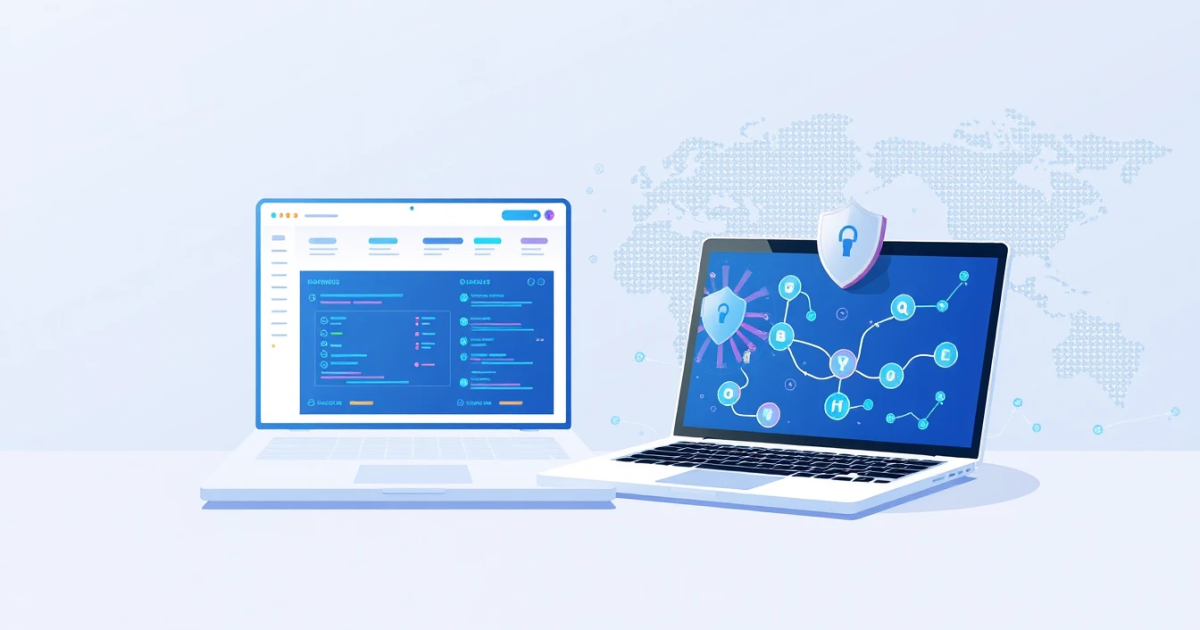
Residential proxy networks source IPs by leveraging a combination of sticky and rotating IP addresses from real devices connected to residential internet connections. These IPs are provided by users who opt-in to share their internet connections, allowing proxies to anonymize browsing activities using real geolocated IP addresses.
How Residential Proxies Work
To understand how residential proxy networks acquire their IPs, let’s break down the process into clear steps:
- User Participation: Users install proxy software on their devices, allowing their IPs to be shared within a residential proxy network.
- IP Pool Collection: The proxy provider builds a pool of these collected IPs which can be both static (sticky session) or rotating, to ensure reliability and anonymity for users.
- Request Handling: When a request for an IP is made, the network routes the request via a user’s IP, masking the original IP of the requester.
- Location Geolocation: Geographic data is tied to these IP addresses allowing for location-specific browsing, enhancing legitimacy for certain processes like web scraping.
How to Confirm IP Sourcing Works
After setting up your residential proxy, verify that IP sourcing is functioning correctly by visiting an IP checker website to identify your current IP location. Make sure the IP address displayed reflects the chosen city or country targeted.
Common Mistakes to Avoid
- Not confirming live connections regularly, which may lead to using dead or banned IPs.
- Failing to reset IPs when faced with blocks will make future requests unreliable.
- Neglecting to check geolocation accuracy may result in unintended region blocking.
Understanding IP Sourcing Errors
There may be instances where there are difficulties in sourcing the IPs effectively:
What It Means When IP Sourcing Fails
If there’s an issue with IP sourcing, it can manifest as connection drops, denied access to targeted websites, or slow browsing speeds. The error commonly signifies that the source IP is blocked or the proxy pool has run dry.
Likely Causes
- Exhausted IP Pool: The requested region's available IPs may have been fully utilized.
- IP Bans: Websites may block the network’s IP addresses, recognizing patterns in requests.
- Lack of User Participation: If fewer users participate, fewer IPs will be available for sourcing.
Fixes for IP Sourcing Issues
Each of the above issues may require different fixes:
- Increase earnings for participants to entice more users to join the network.
- Regularly refresh your IP round-robin settings or utilize rotating proxies to switch between many IPs on demand.
- Monitor the performance metrics, such as block rates, to gauge how often users are successfully transitioning to a new IP address.
Preventing Recurring Issues
Staying proactive is crucial. Regular analyses of IP availability and responsiveness can help reset problematic users or fine-tune which addresses are being used.
Costs and Types of Residential Proxies
The primary characteristics agencies consider before settling on a specific residential proxy source often involve assessing cost versus performance. Here’s a brief breakdown of the different types of residential proxies:
| Proxy Type | Cost | Speed | Block Risk | Session Control | Best Use Case |
|---|---|---|---|---|---|
| Residential Proxies | Starts at $0.70/GB | Moderate to High | Low | Static/Rotating | Web scraping, data collection |
| Datacenter Proxies | $0.50/GB | High | Medium | Static | SEO monitoring |
| Mobile Proxies | $2.00/GB | Moderate | Low | Static/Rotating | Location-specific testing |
Which to Pick for Specific Jobs
If anonymity and a high-level authenticity are your goals, opt for residential proxies. For high-speed scraping without concern for IP legitimacy, datacenter proxies might work better. Mobile proxies can be useful for apps and tests requiring genuine mobile network conditions.
Key Takeaways When Sourcing Residential Proxy IPs
When investing in residential proxy services, there are several key aspects to consider to ensure you receive the quality and functionality required:
- IP Legitimacy: Ensure low block rates through diversifying sources assigned.
- Flexibility: Opt for plans offering both rotating and sticky IP options to serve different user needs.
- Cost Structure: Familiarize yourself with the pricing model provided; for instance, expect to pay $0.70 per GB for residential options at PinkProxies.
- Usage Limits: Understand your plan's data allowances to avoid unexpected charges.
Frequently Asked Questions
How are residential proxy IPs sourced?
Residential proxies source IPs through participants who install software on their devices, creating an active network of available IPs.
Are residential proxies better than datacenter proxies?
Yes, especially for tasks that require higher anonymity and geolocation accuracy, residential proxies outperform datacenter counterparts.
What are the main risks associated with using residential proxies?
The risks often include being blocked by targeted sites due to abuse or extensive use limitations imposed by proxy providers.
Can residential proxies be used for intensive automation tasks?
Yes, but it's crucial to respect the limitations laid out by your proxy provider and configure your requests accordingly to avoid bans.
How can the performance of residential proxies be evaluated?
Monitor IP response rates and connection success frequencies through structured testing metrics before scaling up usage.
What to do when facing a blocked IP issue?
Try rotating IPs frequently and refresh your session to introduce a low-risk dynamic identifiable to websites.
Do residential proxies maintain speed during peak times?
The performance may vary, so limiting unused connectivity during peak hours generally helps maintain speed.
Do all residential proxies offer geolocation specific features?
Most residential proxies do, but verifying the specific regional targeting is available at the intended provider is smart before purchasing.
Conclusion
To effectively utilize residential proxy networks for your needs, understanding how IP sourcing works through actual user devices is key. Always consider IP legitimacy versus tasks like web scraping versus social media management. For comprehensive services including geo-targeted proxies, check out PinkProxies for an affordable and reliable solution.