Introduction
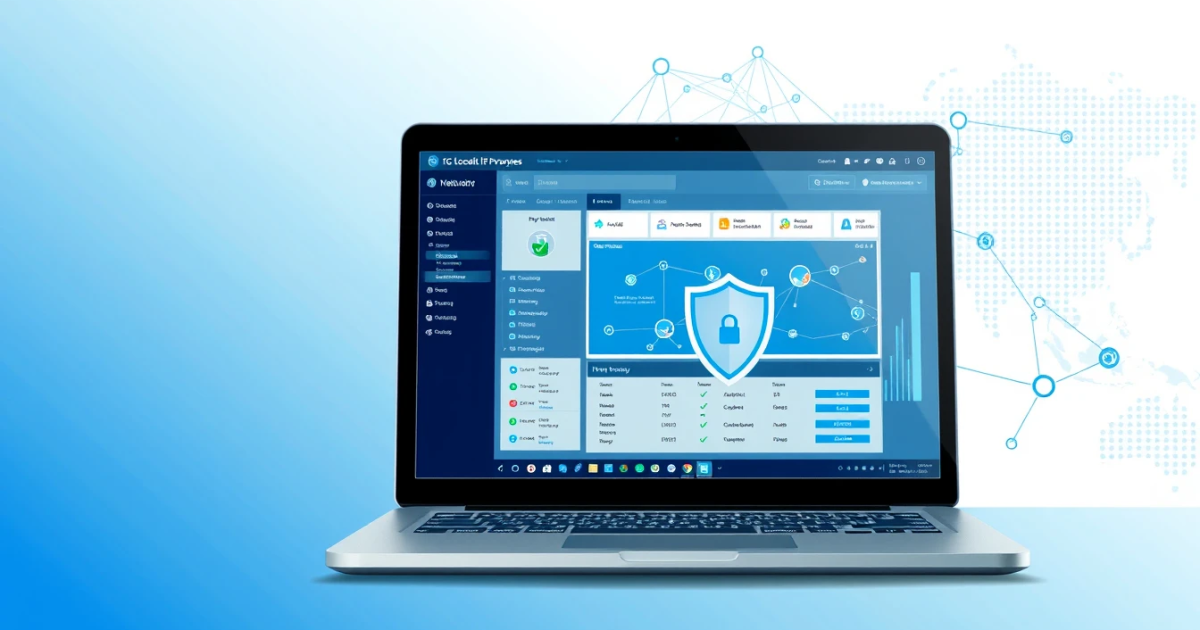
Localization testing is crucial for businesses aiming to reach global audiences. It ensures that apps and websites function correctly and interact seamlessly across different geographic locations. One of the most effective tools for this is a 4G mobile proxy. This guide will walk you through the process of using 4G mobile proxies specifically for localization testing, describing their benefits, practical scenarios, and proper usage procedures.
What it Means / How it Works
4G mobile proxies route your internet connection through a mobile network rather than traditional Wi-Fi, providing a real mobile IP address. This allows you to mimic user experience accurately from various geographic locations. When conducting localization testing, this means you can access regional content and verify that localized versions of sites or applications appear correctly to users in that location.
By simulating a mobile user in a particular locale, you can test the effectiveness of targeted marketing messages, compliance with local regulations, and the overall functionality of your product in that geographic area. Mobile proxies achieve this without being identified as bots, which enhances the reliability of your test results.
Practical Scenarios
Here are several scenarios in which 4G mobile proxies are useful for localization testing:
- Testing marketing campaigns targeting specific regions to determine how the content is displayed.
- Verifying that localized products reflect the correct language and pricing tailored for that audience.
- Ensuring features are available based on regional regulations or user geography.
- Evaluating the performance of mobile ads across different locations.
- Monitoring local competitors to see how they present offers and content.
- Testing the functionality of apps in different regions to verify user experience.
- Accessing geo-blocked content to confirm that it can be properly viewed or accessed in target areas.
- Simulating localized interactions, such as messaging or checkout processes, to spot UI/UX issues.
Step-by-Step
Using 4G mobile proxies for localization testing involves several straightforward steps:
- Go to PinkProxies.
- Create an account or sign in to access the proxy dashboard.
- Add funding to your account to enable proxy usage.
- Select the 4G mobile proxies in your dashboard.
- Choose a proxy compatible with the specific country or region you need for testing.
- Copy the provided proxy credentials (IP address and port).
- Set up your testing tool, browser, or application to connect via the 4G mobile proxy using the copied credentials.
- Run tests and monitor the performance to ensure that results are accessible from the chosen geographic location.
- Gather data, analyze response behaviors, and make adjustments as necessary based on the results.
Safety, Privacy, and Legal Considerations
While using mobile proxies can benefit localization testing, it's important to consider legalities and privacy. Always ensure that you have the necessary permissions to access the sites you are testing. Here’s how to remind yourself of safe practices:
- Comply with regional laws and regulations regarding data collection and user privacy.
- Avoid intense scraping or usage that can overload platforms you're testing, respecting their terms of service.
- Only use your own IP clients, ensuring personal and business data security is not compromised.
- Complete thorough evaluations to avoid infringing on local copyright by accessing geo-restricted content without permission.
Best Alternatives
While 4G mobile proxies are highly effective for localization testing, other options exist. Services like datacenter proxies can provide speed at a lower cost but may lack the geo-targeting granularity of mobile solutions. When evaluating choices, consider what is best suited for your specific testing needs - the financial constraints of using multiple proxies in different scenarios, for instance.
If you’re searching for reliable mobile proxy access, check out what PinkProxies offers. They provide multiple options that can fulfill your needs for speed and location targeting efficiently.
Frequently Asked Questions
Q: What are 4G mobile proxies, and how are they different from other proxies?
A: 4G mobile proxies are connections through a mobile network, providing real mobile IP addresses compared to static datacenter proxies.
Q: Why should I use mobile proxies for localization testing?
A: They simulate real user traffic from specific locations, allowing accurate testing of localized content.
Q: Are there any limitations to using 4G mobile proxies?
A: Speed can be affected due to network congestion, and specific ones might be more vulnerable to bans or blocks, compared to residential routers.
Q: How do I ensure that my testing is legal and ethical?
A: Always follow local data protection laws and the terms of service of the websites or platforms you are testing.
Q: How can I test that my media queries are localized correctly?
A: By accessing services like your website through a 4G mobile proxy, you can check media delivery and style variations from local environments.
Q: What platforms or tools work well with mobile proxies?
A: Many web scrapers, network testing tools, and automation tools can utilize mobile proxies effectively for localization assessments.
Q: Can I use the same proxy for multiple locations?
A: Different mobile proxies need to be individually set for different geographic locations since IP addresses from a single proxy correspond only to one locale.
Q: What is the cost implication of 4G mobile proxies compared to other types?
A: Mobile proxies may cost more due to their real-time attributes and complexity, while datacenter proxies might offer better pricing.
Q: How do I scale my localization testing setup?
A: Invest in multiple proxies for different geographic areas for comprehensive testing and a clearer understanding of diverse audience interactions.
Q: What’s the process to rotate my mobile proxy IP during testing?
A: You can configure your proxy settings to switch IP addresses at intervals or specific triggers depending on your needs.
Conclusion
Using 4G mobile proxies for localization testing can elevate your testing processes, offering real-world results corresponding to different geographic perspectives. By leveraging these proxies and exploring the right practices, you can ensure your application's market availability aligns seamlessly with various regional requirements. When you’re ready to implement your proxy strategy, explore options like PinkProxies, known for providing reliable proxy solutions across multiple formats.