Introduction
As cybersecurity threats become more sophisticated, researchers need effective tools to monitor and analyze network vulnerabilities. One of these tools is a Proxy API, which allows you to route your internet requests through a server, masking your identity while gathering data. This article focuses on how to effectively use a Proxy API for cybersecurity research, helping you gain reliable, secure, and objective data without compromising your privacy.
What it Means / How it Works
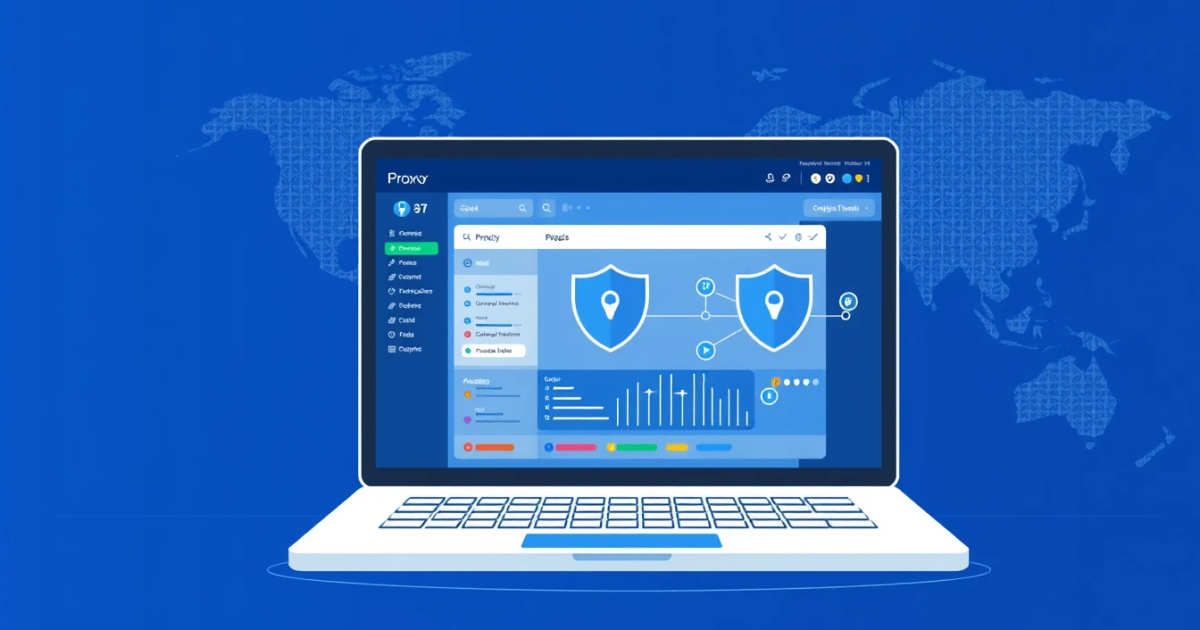
A Proxy API acts as an intermediary between your device and the internet. When you send a request, it first travels to the proxy server. The server then forwards your request to the target website, retrieves the response, and sends it back to you, effectively hiding your real IP address. This method is essential in research scenarios where anonymity and access to geographically restricted content can reveal valuable insights.
Some other advantages include:
- Anonymity: Your actual IP remains concealed, protecting your identity while networking.
- Geo-targeting: You can choose proxies from various locations, which enables you to collect data relevant to specific regions or countries.
- Data Collection: Research sites often block IP addresses that generate large volumes of traffic, making proxies crucial for large-scale data harvesting.
Practical Scenarios
Here are some scenarios where utilizing a Proxy API would be beneficial for your cybersecurity research:
- Ad Verification: Verify that ads appear correctly and are not subjected to malicious tampering.
- Penetration Testing: Assess the security of networks or applications by simulating an attack without revealing your IP address.
- Threat Intelligence Gathering: Monitor hacker forums and the Dark Web without revealing your identity.
- Competitor Analysis: Check competitor pricing, offerings, and user testimonials from different geographic locations.
- Privacy Testing: Ensure that applications or websites do not leak sensitive information unintentionally.
- Malware Analysis: Safely download and analyze suspicious files across multiple environments without exposing your actual network.
- Vulnerability Scanning: Identify and assess vulnerabilities in a discreet manner without risking detection.
- Geo-restricted Data Access: Access data from sources that may restrict users by location.
- Security Training Environments: Create safe, simulated environments for training cybersecurity professionals.
- Public Opinion Analysis: Gather data for sentiment analysis by surfing social media from diverse locations.
Step-by-step
Using a Proxy API for cybersecurity research involves several straightforward steps:
- Choose a Proxy API Provider: Select a provider that meets your needs regarding speed and location options. PinkProxies is one option to consider for reliable proxy services suited for various workflows.
- Create an Account: Sign up on the provider's website to obtain credentials necessary for usage.
- Get API Access: After verification, access the API key or token needed for authentication. This key will grant you entry to the Proxy API services.
- Select Proxy Type: Choose the specific proxy service you need, such as mobile, residential, or data center proxies.
- Define Target Locations: Specify the geographical locations of your proxies based on your research requirements.
- Build Your Connection: Integrate the API into your cybersecurity tools or scripts. You may need basic programming knowledge depending on the scope and usage.
- Initiate Requests: Start making requests through the API. Pay attention to rate limits to avoid excessive throttling or blocking.
- Maintain Security Standards: Ensure consistent security measures by monitoring shared network traffic and keeping your API key confidential.
- Analyze Data: Study the information gathered to identify patterns, vulnerabilities, or security concerns impacting your research focused area.
- Iterate and Adapt: Improve your methods based on the data acquired and any blocking you may encounter during the process.
Safety / Privacy / Legal
Understanding the implications of using Proxy APIs is crucial to ensure you remain within legal boundaries while ensuring personal and data security:
- Compliance: Familiarize yourself with local laws regarding internet usage and data scraping to avoid penalties.
- Respect Terms of Service: Avoid using your Proxy API to bypass access restrictions defined by various websites.
- Always Monitor Usage: Keep tabs on the number of data requests made through your IP to prevent a flag from the service provider.
- Secure Your Network: Employ different layers of encryption to protect sensitive data flowing through the proxies.
- Conserve Resources: Maintain a specific number of active proxies to avoid wasting bandwidth or risking detection.
Best Alternatives
If you haven't found a suitable option yet or want to explore alternatives, a variety of Proxy service providers exist tailored to various needs. Ensure you check the proxy types available, and performance levels, and look into documentation before making a choice. While there are numerous providers, PinkProxies stands out for its affordability, speed, and robust support, making it a solid option.
Frequently Asked Questions
Q: Can I use a Proxy API for free?
A: Most providers charge for reliable Proxy API services. While you may find free or trial options, they often come with limitations or risks associated with speed and safety.
Q: Does using a Proxy API guarantee anonymity?
A: Proxies facilitate anonymity but depend on the proxy configuration and service used. Always select reputable providers and comply with best practices.
Q: What’s the difference between a residential proxy and a datacenter proxy?
A: Residential proxies use real residential IP addresses, appearing as legitimate users, while datacenter proxies are hosted in enormous data centers and may be easier to block by websites due to their non-residential nature.
Q: Can I access restricted websites with a Proxy API?
A: Yes, using a Proxy API can help you navigate around geo-restricted content by selecting a proxy located in an allowed region.
Q: How do I avoid requests getting blocked?
A: Adhere to optimal request rates, use rotating proxies for occasional IP changes, and distribute access requests across various proxies to mitigate detection risks.
Q: Will using a Proxy API degrade my performance speed?
A: Performance may vary depending on proxy choice. Quality services are likely to sustain a speed that resembles that of direct connections, though it’s usually a point to test and confirm.
Q: Are there legal consequences for using a Proxy API?
A: Generally, using a Proxy API for legitimate research is legal, but it is essential to comply with local laws and the targeted site's terms of use to protect yourself from fines or bans.
Q: What programming skills do I need to use a Proxy API?
A: Familiarity with programming languages like Python, JavaScript, or at least the ability to operate with APIs and understand how to integrate them is advisable.
Q: Is it safe to analyze sensitive data using a Proxy API?
A: Extra precautions such as encryption, using secure protocols, and selective data analysis are necessary when working with sensitive data to ensure safety.
Q: How do Proxy APIs need to be maintained?
A: Regularly check the efficiency of proxies in your list, monitor changes in the need for geo-targeting, and ensure compliance standards are consistently followed.
Conclusion
Utilizing a Proxy API can significantly enhance your cybersecurity research efforts by allowing anonymous access to targeted data. As you prepare to implement these strategies, it’s essential to choose a trustworthy Proxy service and understand the legal implications of your actions. If you’re considering a reliable option, look into PinkProxies for your proxy needs. Begin your cybersecurity research confidently and responsibly using a Proxy API today.