Introduction
In an era where digital presence is critical for both individuals and businesses, the need for reliable online navigation tools has never been greater. A residential proxy network provides you with a way to navigate the internet with the trustworthiness and authenticity of residential IPs. This article delves into what a residential proxy network is, how it works, practical scenarios for its use, and essential safety considerations. We’ll also discuss some alternatives if you're considering this service.
What it Means / How it Works
A residential proxy network consists of a collection of IP addresses assigned to real residential devices. Unlike datacenter proxies, which come from data centers, residential proxies use internet connections from households. This makes them appear genuine to various online platforms—reducing the chances of getting blocked or banned.
Here’s a closer look at how a residential proxy network operates:
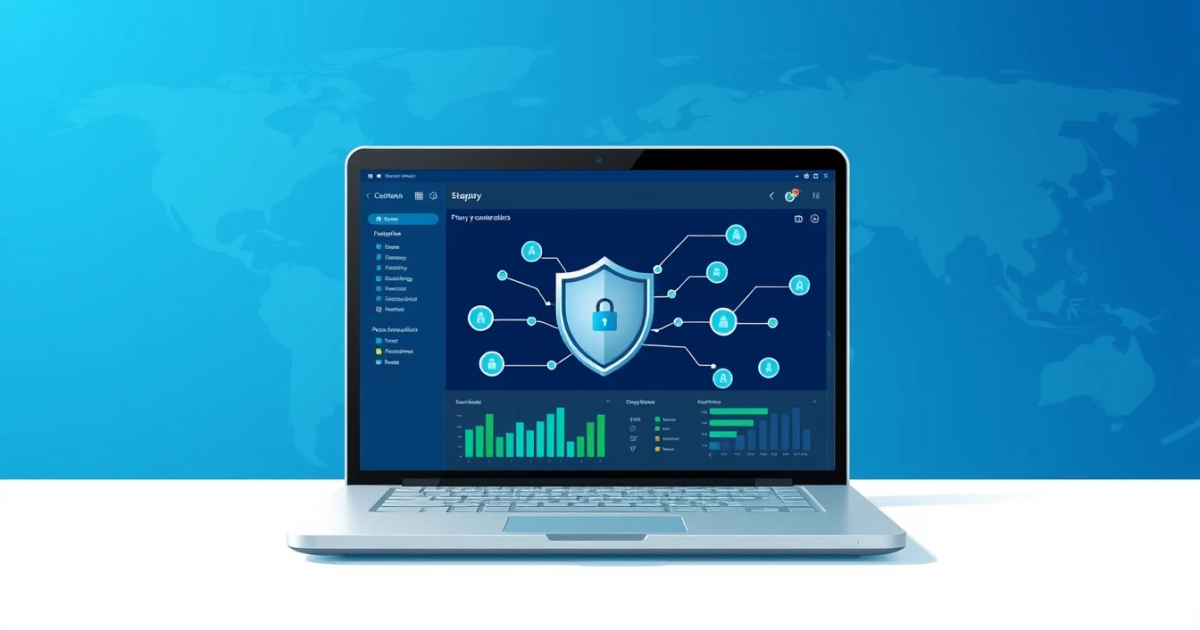
- IP Pool: The network has a large IP pool derived from authentic residential users. These IPs can be located in various geographical areas, making them flexible for geo-targeted activities.
- Proxy Server: Proxy servers act as intermediaries, forwarding your requests to the target website while masking your actual IP address with a residential IP.
- Data Transmission: When you browse using a residential proxy, your requests travel through the proxy server before reaching the internet. The responses follow the same route, which maintains the stickiness of your session.
- Anonymity: By masking your real IP with a residential address, you can browse seamlessly without compromising your anonymity.
Practical Scenarios
Residential proxies can be incredibly versatile. Below are some practical scenarios where you might find them useful:
- Testing a new online service or application while appearing from a specific location.
- Scraping data from websites without facing IP bans by distributing requests through multiple residential IPs.
- Bypassing geo-restrictions to access content only available in certain regions.
- Ad verification to check how ads appear in different locations through residential IP addresses.
- Account management for social media and online services, enabling login from diverse locations to avoid restrictions.
- SEO tools that require scraping delicate data from search engines while preserving identity.
- Price comparison across various regions for market research purposes.
- Market research to study competitor strategies without drawing attention.
- Automating tasks involving multiple accounts—using different IPs for social media ads without getting flagged.
- User testing experiences from different locales to enhance products or services.
Step-by-Step: How to Access a Residential Proxy Network
Here’s how you can start using a residential proxy network:
- Sign Up: Go to a reputable proxy provider's website, such as PinkProxies, and create your account.
- Add Funds: After signing up, you can add funds to your account to select a proxy plan based on your needs.
- Choose Your Plan: Depending on your intended use (e.g., data scraping, SEO tasks), select a proxy type that fits best.
- Configure Settings: Choose geographical locations, loss rates, and session types according to your requirements.
- Retrieve Proxy Credentials: Once configured, retrieve your proxy settings, which typically include an IP address, port, username, and password.
- Integrate: Input these settings into your software, be it a browser, scraper, or automation tool.
- Test: Before running extensive tasks, conduct a small test to ensure everything works as expected.
- Monitor: Regularly monitor your usage, speed, and activity to optimize performance or reassess your proxy options.
Safety, Privacy, and Legal Considerations
Utilizing a residential proxy must be conducted while prioritizing safety and ethical practices:
- Legal Use: Ensure that your intentions are legal and always comply with the terms of the website you are accessing.
- Reputable Providers: Choose trustworthy providers to minimize risks associated with data theft or poor service.
- Respect Robots.txt: Always abide by the protocols outlined in the site's robots.txt file, which dictates scraping permissions.
- No Spam or Abuse: Engaging in scraping for spam, bot traffic, or account manipulation must be strictly avoided to remain compliant with terms of service.
- User Privacy: Consider privacy implications; avoid using proxies to harvest sensitive data that could lead to legal issues.
- Informative Content: Focus on understanding ethical limits for web scraping and proxy usage; misuse could lead to advocacy for unethical practices.
Best Alternatives
If you're considering alternative proxy services, options such as datacenter proxies and mobile proxies can suit different needs:
- Datacenter Proxies: These generally offer lower costs, higher speeds, and simplicity, but often lack the geographical variations and authenticity that residential proxies provide. Consider when budget and speed are a priority.
- Mobile Proxies: They offer user traffic originating from mobile networks, useful for tasks requiring true mobile IP addresses but can come with a higher cost and more complex setups.
- ISP Proxies: These hybrid proxies combine top-notch stability of datacenter services yet maintain residential IP characteristics; utilize these when reliability is a must.
- Rotating Proxies: Great for multiple connection needs, ensuring higher anonymity through dynamic IP address rotation; could be integrated based on session duration requirements.
- PinkProxies: If you’re interested in a multi-faceted selection, PinkProxies provides different types—including residential and datacenter options—leading to a tailored choice for your workflow.
Frequently Asked Questions
Q: What is a residential proxy network?
A: It is a network of IP addresses assigned to real residential devices, which helps in maintaining anonymity, credibility, and authentication while browsing.
Q: Why should I use a residential proxy?
A: They are ideal for maintaining privacy and performing tasks like scraping, testing, or bypassing geo-restrictions while reducing the chance of bans.
Q: How does a residential proxy differ from a datacenter proxy?
A: Residential proxies come from real devices, while datacenter proxies originate from data centers. This difference affects reliability and blocking risks.
Q: Are residential proxies legal?
A: Yes, but they should be used in compliance with legal guidelines and never for unethical actions like data scraping against site policies.
Q: Can I use residential proxies for SEO purposes?
A: Absolutely, they are beneficial for rank tracking, SERP checking, and monitoring local SEO efforts accurately.
Q: How are residential proxies managed?
A: Proxy providers manage the technical setup while users typically handle integration in their applications such as scraping tools or SEO software.
Q: How do I ensure my usage is ethical?
A: Always review and respect the terms of service of the target sites and avoid collecting sensitive data or using proxies for spam.
Q: What are rotating residential proxies?
A: These proxies automatically change the IP addresses for your connection, allowing you to distribute requests over several addresses, minimizing the risk of detection.
Q: Is it possible to get blocked using residential proxies?
A: While residential proxies mitigate the chances of being blocked, they are not invulnerable. It’s crucial to use them responsibly to avoid overloading requests.
Q: How can I choose the best residential proxy service?
A: Look for services offering a variety of IP options, flexible pricing plans, a robust infrastructure, and excellent customer support.
Conclusion
A residential proxy network is an essential tool for anyone needing to verify data, manage accounts, or carry out testing without alarming websites. Choose the right provider like PinkProxies to get started responsibly. Keep legal constraints and best practices in mind for a positive experience in your online journey.