Introduction
Are you looking to enter the lucrative world of proxy services in Mexico? A Proxy Reseller API allows you to provide proxy services to customers without requiring extensive technical knowledge or infrastructure. This article will explain what a proxy reseller API is, how it works, and the scenarios where it can be beneficial. You'll also get a step-by-step guide on how to implement it effectively, considerations for safety and privacy, alternatives to consider, and answers to common questions.
What it Means / How It Works
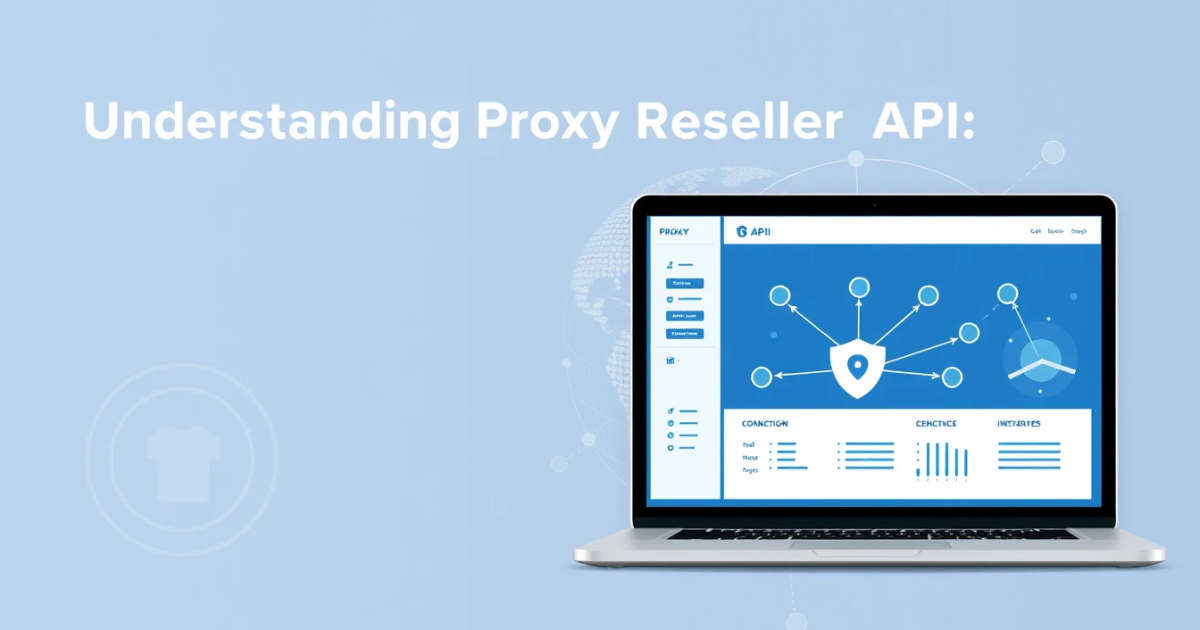
A Proxy Reseller API is a tool that allows individuals or companies to obtain proxy server services and resell them. These APIs manage the complexities of proxy server access, providing a streamlined interface for integration into your applications.
Here's how it typically works:
- The API acts as a bridge between the proxy provider's infrastructure and your application or website.
- You will get access to different types of proxies (like residential, datacenter, mobile) to offer your clients.
- Clients can buy proxy services through your platform by calling the API for purchases, account management, and billing.
- Data management features often include tracking usage, request handling, and customer support functionalities.
- Depending on the service provider, you may be able to customize the service based on your customers’ needs.
Practical Scenarios
Utilizing a Proxy Reseller API in Mexico can be invaluable for various applications including:
- Market Research: Collect data from multiple sources anonymously, helping businesses understand market trends.
- Social Media Management: Manage multiple accounts across platforms without geo-restrictions affecting access.
- Data Scraping: Gather large volumes of information from websites without facing server-side blocks.
- SEO Monitoring: Track rankings and competitors over different geographical areas by leveraging location-specific proxies.
- Ad Verification: Ensure that ads appear as intended in various regions without local limitations.
- Geotargeted Campaigns: Execute campaigns tailored for audiences in specific locations across Mexico.
- Web Testing: Test applications and websites from multiple locations to ensure performance and reliability.
- Price Comparison: Monitor pricing trends across competitors without location-based price manipulation.
- Audit Compliance: Scrape relevant data for compliance assessments while abiding by privacy laws.
- Content Access: Access geo-restricted content legally, which is useful for media companies and researchers.
Step-by-Step Implementation Guide
Ready to implement a Proxy Reseller API? Here's a straightforward guide to get you started:
- Research Providers: Look for reliable proxy service providers with a reseller API offering in Mexico. Compare features and pricing.
- Sign Up: Create an account with the selected provider. Some may require you to sign a service agreement.
- Get API Keys: After signing up, obtain your API keys, necessary for making requests to the proxy server.
- Integrate the API: Use the API documentation provided by the proxy service to integrate it into your system. Most documentation will offer code examples for quick setup.
- Configure Settings: Set parameters for your proxy service, such as pool size, geographic targeting, and session control.
- Testing: Run tests to ensure the API interaction works smoothly and proxies function as intended.
- Monitoring: Once live, track usage, connection success rates, and any issues that arise. Use analytics to make helpful adjustments.
- Customer Support: Offer continuous support for your clients, helping solve issues and answering questions they might have.
Safety, Privacy, and Legal Considerations
Implementing a Proxy Reseller API requires mindfulness about legality and privacy concerns. Take note of the following:
- Ensure compliance with data protection laws, including GDPR if dealing with data involving EU citizens, by making privacy a priority.
- Manage customer consent thoroughly and draw clear boundaries on what data is scraped and the acceptable use of those services.
- Educate your customers about the ethical use of proxies to prevent abusing the service (e.g., spamming, bypassing restrictions illegally).
- Keep logs and transparency over proxy usage, but avoid retaining personal information excessively.
- Prioritize using a provider with a good reputation for maintaining privacy and security measures, like IP rotation and encryption for data queries.
- Understand your responsibilities in billing and service management as the reseller, including handling disputes responsibly.
Best Alternatives
If you’re evaluating options, there are several proxy service providers available. PinkProxies offers a variety of proxy options including residential and datacenter proxies, making it adaptable depending on customer needs.
Frequently Asked Questions
Q: What are the main types of proxies offered in a proxy reseller API?
A: Most providers offer residential, datacenter, and mobile proxies, each suited for different purposes like scraping, testing, and geo-specific tasks.
Q: How quickly can I set up a proxy reseller API?
A: This depends on your technical proficiency and the chosen provider's API documentation. Generally, you can set up your API in a few hours to a few days.
Q: Can I customize the service I provide as a proxy reseller?
A: Yes, many proxy reseller APIs offer features for customization based on your specific needs or target market.
Q: Are proxies legal to use in Mexico?
A: Using proxies is legal in Mexico as long as they are not used for illegal activities. Always ensure compliance with local regulations.
Q: How do I handle customer support for my reselling service?
A: Provide clear communication channels, investigate client issues quickly, and maintain an FAQs section that addresses common concerns.
Q: Is there a risk of accounts getting blocked while using proxies?
A: Yes, there is a risk if proxies are overused for abusive practices, such as spamming. Choosing reputable proxies minimizes this risk.
Q: What factors determine the cost of a proxy reseller API?
A: Costs are typically determined by the type of proxies (e.g., residential vs. datacenter), bandwidth, subscription plans, and the level of customer support provided.
Q: Can I use a Proxy Reseller API for business analytics?
A: Absolutely! Many businesses use it for market monitoring, data collection, and finding insights that are crucial for their operations.
Q: What is the difference between shared and dedicated proxies?
A: Shared proxies are used by multiple users simultaneously, while dedicated proxies are exclusively used by one client, often providing more reliable access.
Q: How do I evaluate the proxy provider I choose?
A: Look for user reviews, service level agreements, performance guarantees, and customer support options to gauge reliability and performance.
Conclusion
A Proxy Reseller API is a smart investment for those looking to give proxy services in Mexico without heavy operational burdens. With the right provider and insights into market needs, anyone can create a successful proxy reselling business. Consider reliable and reputable options like PinkProxies and take your first steps toward setting up a thriving online service.