Introduction
If you're involved in SEO or digital marketing, you probably know the importance of tracking search engine results pages (SERPs). Accurate tracking can help you understand how well your website is performing, where your competitors stand, and how algorithm changes may be impacting your results. However, to reliably track SERPs, you need to use proxies, and SOCKS5 proxies are among the best options available. In this article, we'll explore the ins and outs of SOCKS5 proxies for SERP tracking, their practical applications, safety considerations, alternatives, and answer some frequently asked questions.
What It Means / How It Works
SOCKS, or Socket Secure, is a protocol that routes network packets between a client and server through a proxy server. SOCKS5 refers to the most recent version of this protocol, supporting authentication, IPv6, and UDP for speed and versatility.
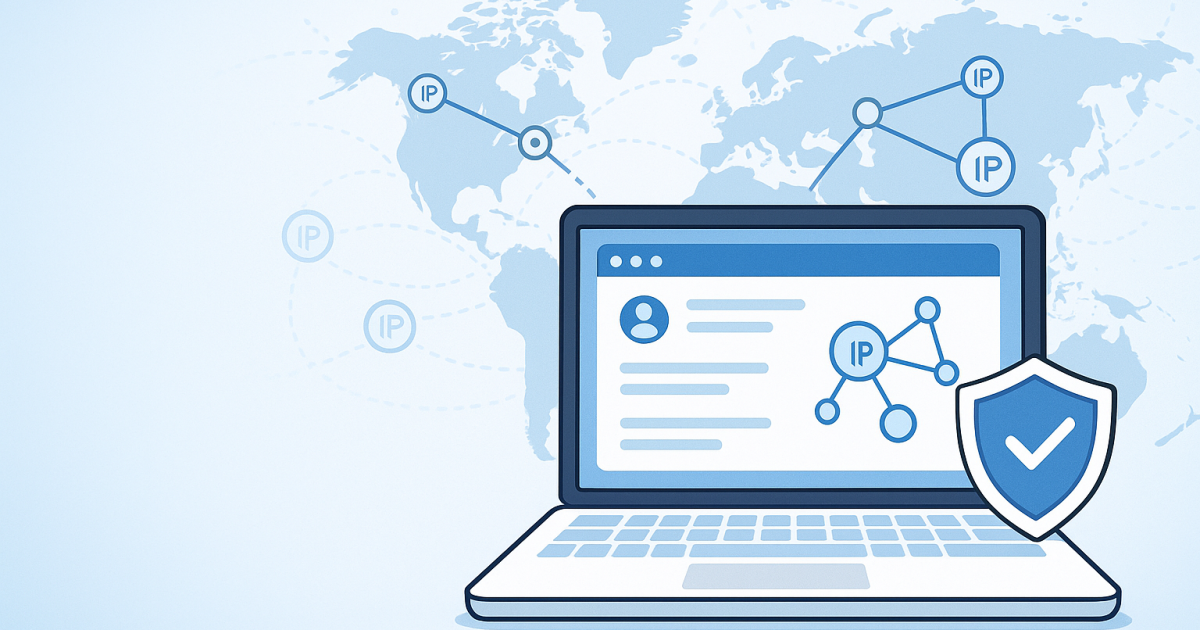
When using SOCKS5 proxies for SERP tracking, a request you send to a search engine (like Google) is routed through the proxy server, which masks your actual IP address, providing you with anonymity. Here’s how it works step-by-step:
- You send a request to view a specific SERP.
- Your request routes through the SOCKS5 proxy server.
- The search engine receives your request, identifies it via the proxy IP, and sends back the SERP data.
- The proxy forwards this data back to you, allowing you to analyze results without revealing your location.
This capacity for anonymity is critical for accurate data collection, unhindered by tracking limitations a typical IP might encounter.
Practical Scenarios
Using SOCKS5 proxies for SERP tracking can be beneficial in numerous ways. Here are several practical scenarios where they shine:
- Bypassing regional restrictions: Access localized search results from various geographical areas.
- Avoiding search engine bans: Regularly querying from the same IP address can lead to blocks; rotating proxies reduce this risk.
- Testing multiple search tactics: Evaluate the effectiveness of different keywords and phrases without compromising your primary IP.
- Safeguarding competitor research: Conduct monitoring anonymously to better understand competitive strategies.
- Performing rank checks for local SEO: Check position in various markets or cities to ensure optimal performance.
- Evaluating ad placements: Inspect SERP features and rich snippets without exposing yourself to potential backlash.
- Enhancing data accuracy: Collect reliable data by masking your identity and therefore increasing your testing reliability.
- Real-time SERP monitoring: Ensure descriptions and metadata are displaying correctly across regions by regularly observing SERP changes.
- AUDIT tracking with unseen performance metrics: Use tracer information from geodistributed requests to base comparisons accurately.
- Exploring diverse niches without restrictions: Allot special tracking resources for, for example, B2B alone by strategically restricting your IP movements.
Step-by-Step
To effectively use SOCKS5 proxies for SERP tracking, follow these simple steps:
- Choose a reliable proxy provider. Check user reviews and support availability.
- Sign up for an account to create your proxy credentials at PinkProxies.
- Select SOCKS5 proxies and your desired locations depending on your tracking goals.
- Configure your chosen tracking tool—or if you’re scripting, code it to use the proxy details you've obtained (IP and port number).
- Run a trial test to ensure requests complete successfully and the correct SERP results are displayed.
- Monitor performance, success frequency, and refine your sessions/rotation methods as necessary.
Safety / Privacy / Legal
While using SOCKS5 proxies increases anonymity, there are essential considerations:
- Stay within legal boundaries. Most search engines allow general data collection, but avoid sensitive sites or information.
- Consider scrape rates. Submit requests progressively and avoid overwhelming a single address to prevent IP blocking.
- Understand the terms, conditions, and privacy policies of any digital platform you're working with.
- Order an ethical scraping verification to ensure your methods comply with existing regulations.
- Store and use sensitive data securely, even proxy connections occasionally may record logs.
Best Alternatives
If you're exploring alternatives to SOCKS5 proxies, consider SOCKS4 proxies, HTTP/HTTPS proxies, or even residential proxies. Each has unique features to suit different needs, though SOCKS5 generally outperforms them for SERP tracking due to better speed and flexibility.
In your journey for reliable proxies, PinkProxies is one of the trustworthy providers, offering various proxy types tailored for distinct browsing activities. They provide direct access to SOCKS5, enhancing your digital tracking experience.
Frequently Asked Questions
Q: What are the main benefits of using SOCKS5 proxies for SERP tracking?
A: SOCKS5 proxies help maintain anonymity, reduce the chances of IP bans, allow for regional access, and provide flexibility with connection types, optimizing tracking accuracy.
Q: How do I know if SOCKS5 proxies are working correctly?
A: Test the proxy connection in your browser or tracking tool by accessing a SERP. Detectable location changes indicate successful proxy operation.
Q: Can I accrue any penalties or bans by using proxies for SERP tracking?
A: If used ethically, and data practices comply with search engine rules, you're less likely to incur penalties. It's crucial to avoid over-aggression in your querying strategy.
Q: Are proxies for SERP tracking legal?
A: Generally, proxy use for SERP tracking remains legal as long as you comply with the terms outlined by the respective search engine.
Q: How many proxies will I need for regular tracking?
A: The number of proxies depends on the frequency and volume of your requests. Rotating 10-20 proxies is ideal for regular tracking.
Q: What is the difference between SOCKS5 and HTTP/HTTPS proxies?
A: SOCKS5 enables more protocols and provides broader application for any type of internet traffic compared to HTTP/HTTPS proxies, which are limited to web browsing.
Q: Can I track keywords locally with proxies?
A: Yes, proxies enable you to access SERPs based on regional settings and analyze local rankings effectively.
Q: Does using a proxy slow down my tracking?
A: While employing a proxy may introduce a small delay due to the routing of requests, the potential for improved accuracy generally outweighs minimal speed losses.
Q: How do I change my proxy settings while tracking?
A: Most tracking tools and scripts allow you to input or adjust proxy settings directly in their user interface or configuration files.
Q: Can I use SOCKS5 proxies on mobile devices?
A: Yes, many systems and mobile applications support SOCKS5 configurations. Refer to your service provider's guidelines.
Conclusion
Utilizing SOCKS5 proxies is an excellent way to enhance your SERP tracking capabilities while ensuring anonymity and reducing the risk of blocks. It's crucial to understand how they operate, the various practical applications, and ensure you are utilizing best practices concerning safety and ethics. By harnessing tools from reliable proxies providers like PinkProxies, you can gain a competitive edge in your digital tracking strategies. Start tracking your SERPs today while preserving your online privacy efficiently!