Introduction
Are you looking to buy a proxy reseller API in the USA? If so, you likely want to start your own proxy service, allowing you to offer reliable and private internet access to users. Navigating through the different providers, types, and technicalities can be overwhelming, especially if you're not deeply familiar with proxy technology. This guide explains everything you need to know about proxy reseller APIs, including how they work, practical scenarios, and step-by-step instructions on setting one up.
What It Means / How It Works
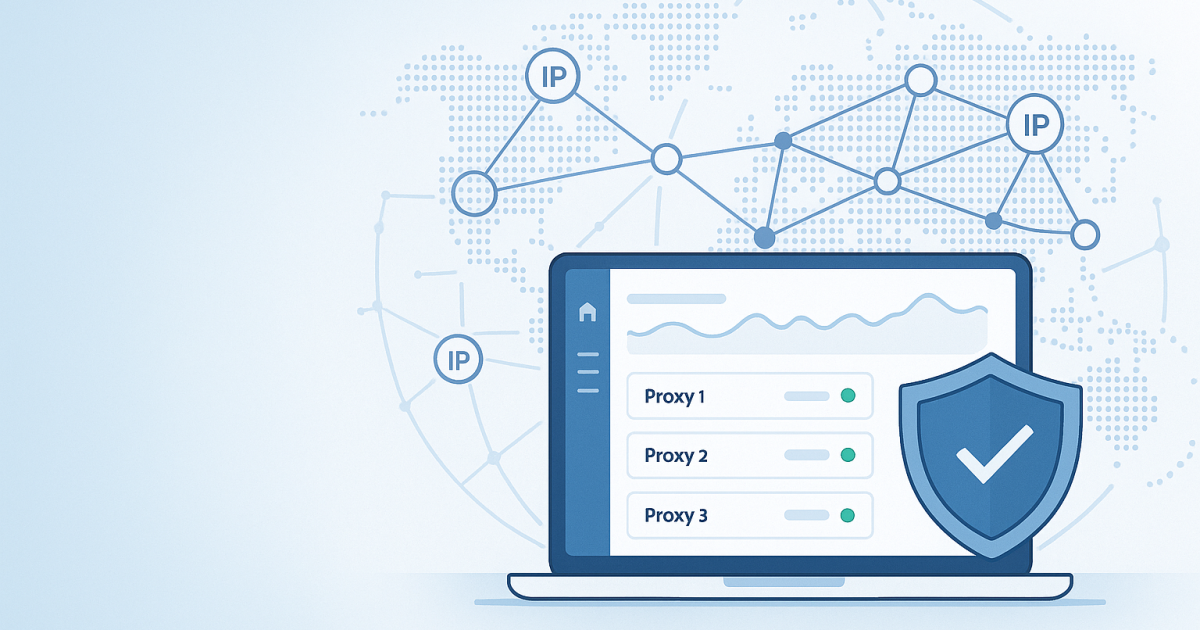
First, let's break down what a proxy reseller API actually is. A proxy is an intermediary server that separates end users from the websites they browse. When you buy a proxy reseller API, you purchase the ability to sell proxies to your own clients by leveraging another company’s proxy services. This means your clients connect to the reseller API's proxy servers, but they will see you as the service provider.
The API functionality facilitates easy management of proxies and makes it simpler to conduct tasks like issuing or limiting usage, tracking data, and handling customer relationships. In most cases, the API allows programmatic access to add, remove, and configure proxy servers, providing a user-friendly option to handle a proxy service.
Practical Scenarios
There are several practical scenarios where a proxy reseller API can be beneficial:
- Web Scraping: Collect public data from websites at scale while maintaining anonymity and staying compliant with legal standards.
- SEO Optimization: Test website performance across different geographic locations and analyze SEO data without geographical restrictions.
- Data Privacy: Enable clients to surf the web anonymously, concealing their IP addresses from websites they visit.
- Ad Verification: Verify advertisement placements across various locations and devices without getting blocked.
- Market Research: Gather competitor information anonymously and analyze market trends effectively.
- Social Media Account Management: Manage multiple social media accounts by rotating IP addresses to avoid suspension.
- Geo-Specific Content Access: Access geo-restricted content available only in certain countries.
- Network Management: Provide secure internet access for organizations without sacrificing speed.
- Cycles or Conventions: Gain entry into platforms that monitor for abusive activities, making it essential to avoid IP blocks.
- Automation Tools: Integrate proxies into automation systems to carry out routine tasks more securely.
Step-By-Step Implementation
Buying and setting up your proxy reseller API is straightforward. Follow these steps:
- Research Proxy Providers: Investigate various US-based proxy providers that offer reseller APIs. Compare price points, types of proxies, speed, and customer service.
- Choose a Provider: Once you've identified the provider suitable for your needs, you will need to create an account. You can do this by visiting the sign-up page of your selected provider's website, such as PinkProxies.
- Purchase the API: After logging into your new account, navigate to their pricing section to choose the reseller plan that meets your proxies needs. Ensure that the plan you choose allows the legal and ethical reuse of proxies.
- Review Documentation: Most reputable providers will furnish detailed documentation for their API. Familiarize yourself with these instructions, as they will be crucial for your setup.
- Authentication: You'll likely need to authenticate your API usage by including API credentials in your requests. Make sure to store your authentication tokens securely.
- Implement the API: Use your programming knowledge or hire a developer to integrate the API into your systems. This step includes connecting your system to manage proxy allocation according to users' requirements.
- Testing: Run tests to confirm that everything operates as intended. Schedule routine checks to ensure the proxies are running efficiently and that user requests are serviced promptly.
- Launch Your Service: Once everything appears to function correctly, market your proxy service, emphasizing unique selling points such as speed, anonymity, and geographical options.
Safety/Privacy/Legal
When using a proxy reseller API, it's crucial to consider privacy legality:
- Compliance: Make sure that your usage of proxies complies with local and international laws.
- Terms of Service: Ensure you read and adhere to the terms of service of the proxy provider to avoid issues.
- Respect Site Rules: Avoid using proxies for scraping highly restrictive websites or bypassing paywalls unless legally permissible.
- Transparency: Maintain transparency with your customers about how their data may be used or logged when using your proxy service.
Best Alternatives
If you're unsure where to start, consider options like PinkProxies. They offer a range of high-quality proxies suitable for reselling at competitive prices, along with effective support to help guide your implementation process.
Frequently Asked Questions
Q: What types of proxies can I use with a reseller API?
A: You can typically use various types of proxies, such as residential proxies, datacenter proxies, and may also offer mobile proxies depending on the provider.
Q: Can I use a reseller API for web scraping?
A: Yes, a reseller proxy API can be effectively used for web scraping as they help you leverage anonymity and avoid blocks.
Q: What are the costs associated with buying a reseller API?
A: Costs can vary significantly based on the provider, the service package chosen, and the number of proxies you require. Check provider websites for detailed pricing.
Q: How scalable is using a proxy reseller API?
A: Scalable operations largely depend on the provider's infrastructure. Most reputable proxy services allow you to scale your proxies easily as you grow your business.
Q: Do I need technical knowledge to implement the API?
A: Basic technical knowledge is recommended as implementing and managing APIs can be complex; however, many service providers offer support and documentation to assist beginners.
Q: What should I do if my proxies are getting blocked?
A: If your proxies are getting blocked, consider implementing IP rotation or changing the type of proxies you're using to avoid detection.
Q: Is there a limit on the number of proxies I can resell?
A: Limits usually depend on the proxy provider’s terms, so it's best to consult their specifications or support for detailed information.
Q: Can I customize the APIs for my specific needs?
A: Many providers offer customizable solutions which allow you to tailor API setups according to your business needs.
Q: Are proxies from any reseller API legal to use?
A: Legality will depend on your intended use and compliance with applicable laws, so it’s vital to stay informed and ensure responsible usage.
Q: What is the difference between a datacenter and residential proxy?
A: Datacenter proxies are generally faster and cheaper but can be more easily detected than residential proxies, which use real ISP addresses.
Conclusion
Investing in a proxy reseller API in the USA can help facilitate many internet access needs, from web scraping to market research. With various applications and a growing demand for data privacy solutions, a proxy service can yield significant revenue potential. Before proceeding, ensure you choose a reputable provider for reliable service. For a strong start, consider checking the offerings at PinkProxies. Begin by exploring their range of capable proxies, designed to support reseller initiatives effectively.