Introduction
When it comes to online activities that require anonymity and location-specific access, residential proxies have become a popular choice. Especially in Argentina, these proxies allow users to browse the internet with a locally recognized IP address, appearing as if they are regular residents. In this article, we'll delve into what residential proxies are, how they work, and the scenarios where they are particularly useful for users in Argentina.
What It Means / How It Works
Residential proxies are intermediary servers that use IP addresses provided by Internet Service Providers (ISPs) rather than data centers. This means that when you connect through a residential proxy in Argentina, the websites you access detect your connection as ordinary residential traffic, which enhances your anonymity and reduces the likelihood of getting blocked.
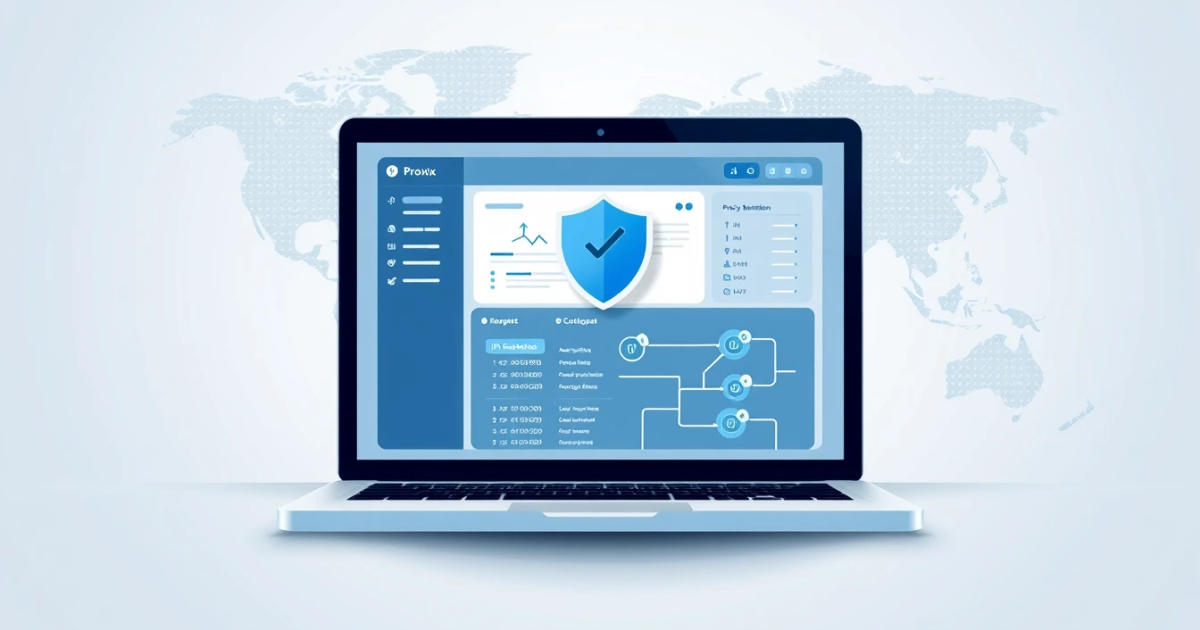
Here’s a quick overview of how it works:
- You connect to the internet through a residential proxy server in Argentina.
- The proxy server receives your requests and assigns you a residential IP address from a local ISP.
- Websites see the request as coming from a genuine Argentinian user instead of a data center, which improves access.
- The proxy server manages data transfer back and forth, protecting your identity while collecting information.
Practical Scenarios
Residential proxies can be invaluable in various situations. Here are some scenarios where you might consider using a residential proxy in Argentina:
- SEO Tools: Track website rankings on local search engines while appearing as a local user.
- Ad Verification: Ensure that advertisements are displayed correctly in Argentina without detection by the platform.
- Market Research: Collect data from local websites and apps to understand consumer behavior and preferences.
- Web Scraping: Gather prices, product availability, or content without restrictions often imposed on data center IPs.
- Access to Local Content: Bypass geo-restrictions to view content available exclusively to residents of Argentina.
- Event Ticketing: Increase your chances of securing tickets for popular events by appearing as a local resident.
- Limited Release Products: Purchase products that are only released in Argentina before they hit international markets.
- Testing Websites: Conduct localized testing for websites, apps, or marketing strategies.
- Account Management: Manage multiple accounts without triggering security mechanisms that flag unusual login behavior.
- Social Media Harvesting: Gain insights from local social media platforms while maintaining a low profile.
Step-by-Step Guide to Setting Up Residential Proxies in Argentina
If you're ready to start using residential proxies in Argentina, follow these simple steps:
- Go to a reliable proxy provider’s site that offers residential proxies, such as PinkProxies.
- Create an account and log in to your dashboard.
- Choose the residential proxy option suitable for your needs.
- Select Argentina as your preferred location.
- Optionally specify the city or ISP you want associated with your IP — if available.
- Generate or copy the proxy address including the port number and, if required, authentication credentials.
- Add these details to your browser settings, scraping tool, or application.
- Conduct a series of tests to ensure proper connectivity before finalizing your setup.
Safety/Privacy/Legal Considerations
While residential proxies have many benefits, it’s essential to use them responsibly:
- Adhere to Legal Regulations: Always ensure your actions comply with local laws, especially when scraping data or accessing restricted content.
- Respect Site Terms: Review the terms and conditions of any website you access through a proxy to avoid being banned.
- Use Ethically: Avoid using residential proxies for malicious activities such as fraud or credential stuffing.
- Data Protection: Keep in mind that any data collected should respect user privacy and data protection guidelines.
Best Alternatives
If you are considering utilizing residential proxies for your online activities, PinkProxies provides competitive options tailored to your needs. They offer a range of plans that can facilitate various use cases, from market research to testing websites. However, other alternatives may also exist, and it’s beneficial to compare their offerings, such as speed, location availability, and pricing, to find what meets your needs best.
Frequently Asked Questions
Q: What are residential proxies?
A: Residential proxies are IP addresses provided by ISPs to residential customers, allowing you to connect to the internet as a genuine user from a specified location.
Q: Why should I choose residential proxies over datacenter proxies?
A: Residential proxies are more likely to circumvent restrictions and are less prone to being blocked by websites compared to datacenter proxies, which can be flagged easily.
Q: How do I use a residential proxy?
A: You can use residential proxies by configuring your browser or software tool depending on the settings provided by your proxy service.
Q: Are residential proxies legal in Argentina?
A: Yes, using residential proxies is legal in Argentina, provided that you comply with local laws and respect the terms of service of websites.
Q: Can residential proxies improve my SEO strategies?
A: Yes, by using residential proxies for localized SEO activities, you can track rankings and gather data as if you're an actual Argentinian user.
Q: What should I consider when choosing a proxy provider?
A: Look for reliability, speed, customer support, location coverage, and pricing when selecting a proxy service.
Q: How do residential proxies protect my privacy?
A: They mask your real IP address, providing you with anonymity while browsing, which can protect you from tracking and data collection.
Q: What are some common use cases for residential proxies?
A: Common use cases include web scraping, ad verification, local content access, and managing multiple accounts.
Q: Do I need technical skills to use residential proxies?
A: No, residential proxies are designed to be user-friendly. Basic knowledge of configuring proxies in your software is usually sufficient.
Q: Can I share my residential proxy with others?
A: It depends on the terms of service of your proxy provider, but many restrict sharing to prevent abuse and maintain performance quality.
Conclusion
Residential proxies can provide significant advantages in accessing region-specific data while maintaining anonymity online. Whether you're involved in SEO, market research, or simply seeking to enhance your localized browsing experience, using residential proxies in Argentina is a powerful choice. Make sure to use them responsibly to stay within legal boundaries and maximize their benefits. If you're looking for reliable residential proxies for your needs, consider starting your journey with PinkProxies.