Introduction
Backconnect proxies are specialized tools that allow users to connect through a rotating network of IP addresses. They are becoming increasingly popular among those looking to perform web scraping, manage multiple accounts, or ensure proper anonymity online. This article will explain how backconnect proxies work, their practical applications, and safety considerations, while also introducing some alternatives to consider for your proxy needs.
What it Means / How it Works
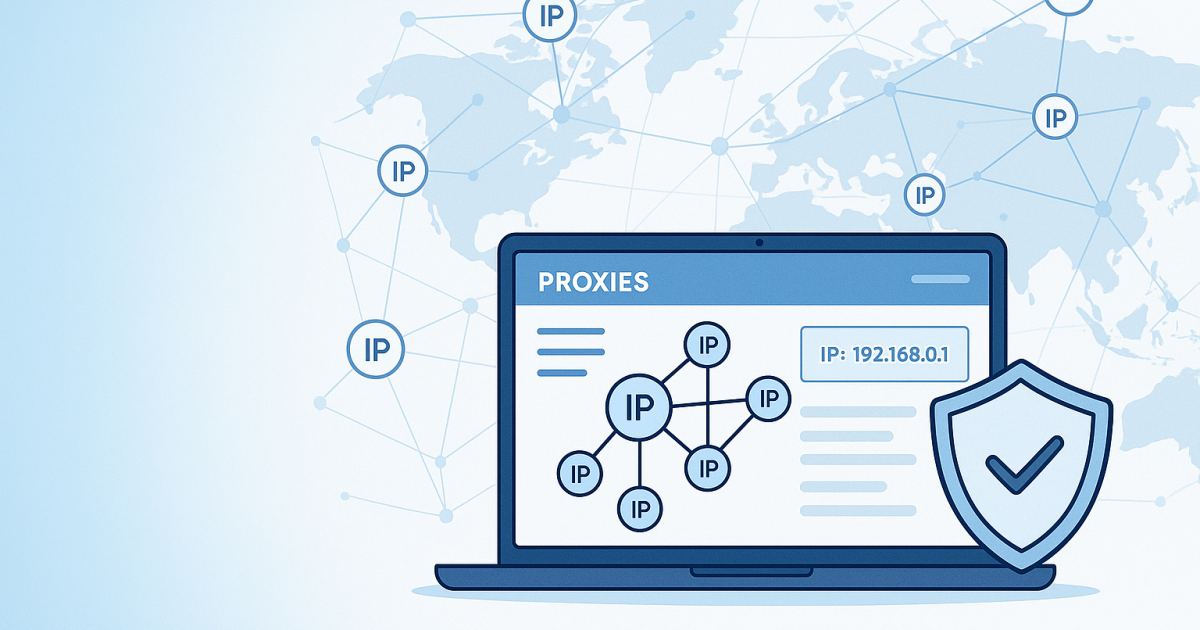
A backconnect proxy helps manage network requests through a series of high-anonymity proxy IPs. When you send a request through a backconnect proxy, it automatically assigns you an IP address from its pool. This process is typically transparent, meaning you won’t have to worry about changing your IP for every new request. As you're connecting through various IPs from a singular proxy service, your anonymity is enhanced effectively.
Here's how it works in more detail:
- Connection Process: When you make a request (like loading a website), the backconnect proxy server intercepts this request. Instead of sending the request directly to its destination with your original IP address, it reroutes it using one of its available proxy IPs.
- Dynamic IP Rotation: The significant advantage of backconnect proxies is their automatic IP rotation system. This means, over time or after a set number of requests, your connection will switch to a different IP address from the proxy pool. It minimizes the chances of encountering blocks or bans from target websites.
- Access Multiple Locations: Depending on the provider, backconnect proxies often offer IPs from various geographical locations. This capability is essential if you want to perform tasks that require locale-specific solutions, such as local SEO tracking or ad verification.
- Requests Breakdown: Conventional proxies handle one request at a time. Backconnect proxies distribute incoming requests to different servers and multiple IPs, allowing for higher speeds and more volume without getting detected easily.
Practical Scenarios
Understanding how backconnect proxies function helps illuminate their practical uses. Here are some scenarios where backconnect proxies shine:
- Web Scraping: If you're gathering large amounts of data from websites, backconnect proxies conveniently rotate your IP to avoid blocks, enabling relentless scraping.
- Account Management: Knowing how backconnect proxies cycle through IPs help when managing multiple accounts on various sites; they lessen the chance of detection during frequent, automated logins.
- SEO Monitoring: Marketers can utilize these proxies for tracking their keywords' SEO rankings, employing location-specific data almost undetectably.
- Ad Verification: Use backconnect proxies to ensure your ads appear correctly to target audiences and catch potential errors during advertisement campaigns.
- Bypassing Geo-Restrictions: Access content that is only available within certain regions by using geo-targeted IPs from backconnect proxies, receiving the desired content seamlessly.
- Load Testing: Validate website performance during high traffic to see how many concurrent users can be managed without interruptions, aided by employing numerous IPs from the proxy server simultaneously.
- Market Research: Scout competitors' pricing and product features Marry necessary automated requests through the extensive ability of backconnect proxies.
- Data Collection for Analytics: Extract various data points that must come from unconventional or high-demand websites without risk of IP bans through stealthy rotation mechanisms.
- Software Testing: Test websites or applications multiple times without hitting rate limits by running various tests simultaneously across swapped IP addresses.
- Privacy and Security: High-anonymity and automatically rotating proxy IPs protect personal and confidential information, accessing the web without personal links to your actions.
Step-by-Step
Using a backconnect proxy isn't complicated. Here’s a step-by-step guide for users looking to implement this type of proxy service for deeper privacy or productivity:
- Go to PinkProxies. Check their offerings for backconnect proxy services.
- Create an account or sign in:
- Select a subscription plan that meets your project requirements.
- Add funds to your account, ensuring you have enough balance for your intended usage.
- Choose between rotating IPs, location targets, or sticky session options based on your tasks.
- Secure your proxy credentials. Take note of special configurations for effective use.
- Set up your proxy in your browser, scraping tool, or software, using the given credentials.
- Run a test to ensure seamless connections by requesting multiple items or data from a test website.
- Monitor performance metrics like success rates and track failures or blocks, adjust your setup if necessary.
Safety/Privacy/Legal
While backconnect proxies assist in maintaining privacy and skipping blocks, responsibility remains paramount. Consider these key responsibility guidelines:
- Respect Robots.txt: This file informs how web scraping is conducted on sites. Scrape ethically by paying heed and abiding by these rules.
- Monitor Rate Limits: Excessive requests may lead to bans. Know how frequently you can request data without inviting trouble.
- Avoid Sensitive Actions: Steering clear of bypassing security measures and authorization walls is crucial. No pirating, phishing, or scam attempts!
- Legal Compliance: Ensure your activities using backconnect proxies conform to the sites’ rules and local laws concerning data scraping and automated requests.
Best Alternatives
If backconnect proxies are not entirely suitable for your tasks or user requirements, other options exist:
- Residential Proxies: These allocate IPs simulating regular home users, pale in risk but tend to be more expensive.
- SOCKS5 Proxies: Offering greater versatility in handling different types of traffic, ideal for general purposes.
- HTTP Proxies: Preferable for simple web browsing without thus addressed traffic variants—basic setups are approachable.
- If you’re interested in exploring backconnect options, note that PinkProxies provides affordable access to multiple available proxies depending on your data collection goals.
Frequently Asked Questions
Q1: What is the difference between a regular proxy and a backconnect proxy?
A regular proxy often uses just one static IP, while a backconnect proxy provides dynamic and rotating IPs to maintain anonymity during web interactions.
Q2: Can I use backconnect proxies for any website?
While backconnect proxies allow access to restricted sites, each site’s terms regarding automated requests must be respected.
Q3: How do I know which backconnect service to use?
Evaluate the required features based on your specific use case, checking for pool sizes, locations, pricing, and the nature of the connections available.
Q4: Can backconnect proxies help with SEO tasks?
Yes! They are excellent for keyword rank tracking, SERP checking, and local search testing while obfuscating pinpoint user locations.
Q5: Is browsing speed affected when using proxies?
While backconnect proxies aim to maintain high performance, individual speeds can vary based on the site's distance from proxies and available bandwidth.
Q6: Are backconnect proxies legal?
The legality of utilizing backconnect proxies depends upon the scrutiny of your activities regarding the specific website's terms and local laws. Always be cautious.
Q7: How do I increase my success rate while using proxies?
Reduce request frequency, adopt rotation strategies, and follow best practices to ensure you're compliant with website terms and avoid stretching their limits.
Q8: What are sticky sessions in backconnect proxies?
Sticky sessions allow the user to stay connected to one IP address for a longer period, thus improving your operational feasibility, especially on sites requiring logins or verification.
Q9: How can I track my usage statistics with backconnect proxies?
Most proxy service providers will include analytics features with tools showing metrics like successful requests, failures, and average connection speeds.
Q10: Can backconnect proxies handle large volumes of data prints?
RSVPs successively batches unsuspending, query-rich packet tests efficiently if scripted prudentially seminally skilled avoiding detections and operational nominee—perfect!
Conclusion
Backconnect proxies present a reliable and effective toolset for those needing anonymity while navigating the vast online world. From web scraping to SEO monitoring, these proxies brew the perfect storm of versatility and discretion for a digital legal space. Responsible use is critical in finding the proper proxy for your needs, as illegal or unethical transactions may lead to consequences. If you're considering backconnect proxies for your tasks, a practical option is PinkProxies, where you can find various proxy types that suit your specific reasons.