Introduction
Mobile proxies have become an essential tool for many online users, especially in scenarios that require anonymity and access to geo-restricted content. The advent of 5G technology has further enhanced the capabilities of mobile proxies, providing faster speeds and improved reliability. In this comprehensive guide, you will learn how to set up 5G mobile proxies, the benefits they offer, practical use cases, and essential safety considerations.
What It Means / How It Works
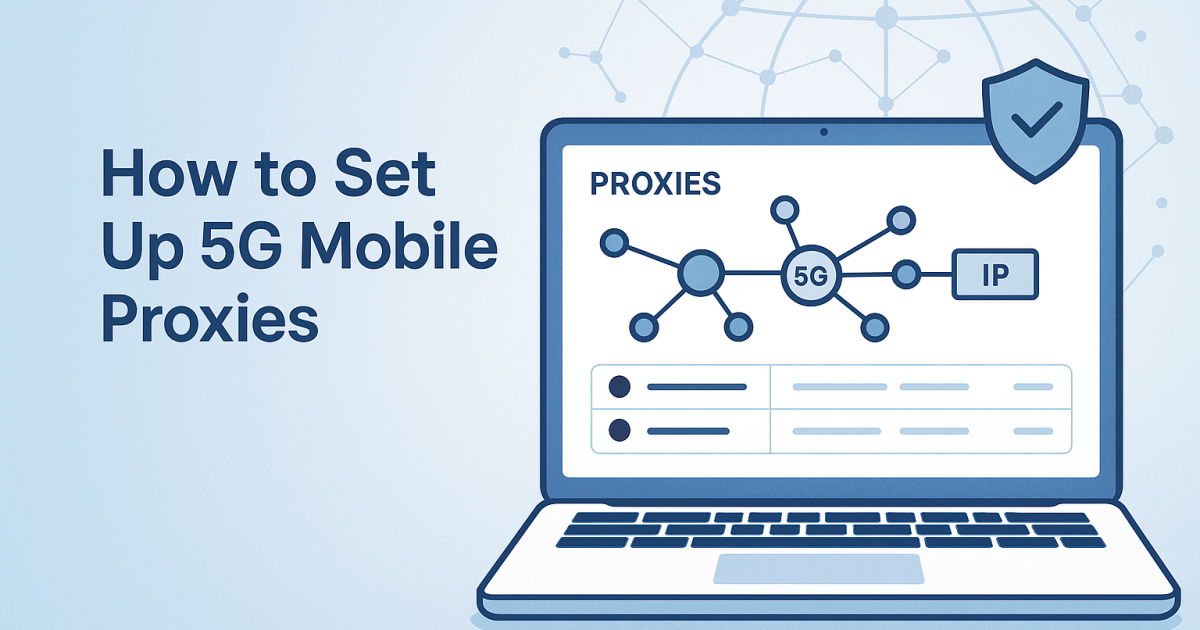
5G mobile proxies operate leveraging the fifth generation of mobile telecommunications technology known as 5G. This technology offers significantly faster data transmission rates, lower latency, and the ability to connect more devices simultaneously compared to its predecessors. Unlike traditional proxies that rely on Wi-Fi or datacenter setups, mobile proxies utilize mobile IP addresses to mask your source. When you send requests through a mobile proxy, they route your data through a mobile carrier network, making your traffic appear as if it's coming from a mobile device.
Practical Scenarios
Using 5G mobile proxies can serve a number of practical scenarios, including:
- SEO Monitoring: Track your keyword rankings on local search engines without being restricted by location-based results.
- Social Media Management: Manage multiple accounts across different platforms without the risk of bans or restrictions.
- Ad Verification: Check how ads display in various locations and devices to ensure that impressions are accurate.
- Price Scraping: Monitor competitor pricing data across various platforms effectively and in real-time.
- Market Research: Conduct surveys and data collection without exposing your IP address.
- Email and Account Creations: Create multiple accounts for services that enforce strict rules against account sharing or multiple sign-ups.
- Testing Locations: See how your content behaves in different regions or markets while maintaining the appearance of being an actual local user.
- Web Development and Testing: Test websites from various mobile carriers for responsiveness and functionality under real-world conditions.
Step-by-Step: Setting Up 5G Mobile Proxies
Establishing a 5G mobile proxy setup may seem daunting, but it can be accomplished straightforwardly by following these steps:
- Select a Provider: Choose a reputable provider that specializes in mobile proxies. Look for one that offers 5G capabilities along with good support and extensive geographic coverage. PinkProxies is one option that you might consider as a practical fit for your needs.
- Sign Up: Create an account on your selected proxy provider’s website. You will need to provide some personal information and choose your plan based on use case and geographical preferences. Sign up here.
- Purchase Proxies: Choose your package for mobile proxies. Ensure you select the plan that includes 5G options, if available. Different geographical areas might offer varied speeds and performance levels.
- Get Your Proxy IP Information: After purchase, you’ll receive your proxy IP addresses, along with the authentication credentials (username and password).
- Configure Browser or Application: Open the settings of the browser or application where you want to use the proxy. Depending on your needs, this may involve inputting your proxy's IP address and port number, along with your login credentials.
- Test the Proxy: After configuration, run a few tests to ensure that your setup is functional and behaves as expected. You can use sites that show your IP address to confirm that you are operating through the proxy correctly.
- Monitor Usage: Track performance and potential issues with connections or speed days after setup. Use analytics from your proxy provider’s dashboard to see how many requests you are making and if any issues arise.
Safety/Privacy/Legal
When using 5G mobile proxies, it is pivotal to consider safety, privacy, and legalities surrounding proxy usage:
- Use for Ethical Purposes: Always stick to legal use cases while utilizing mobile proxies. Avoid activities like credential stuffing and scaling junk data.
- Respect Robots.txt: Ensure that you are respecting the scraping guidelines provided by each website through its
robots.txtfile. - Keep Accounts Secure: Choose strong, unique passwords for each account or session to defend against unauthorized access.
- Avoid Over-Access: Excessive requests in a short time can lead to IP blocks. Utilize shuffling features or manage requests based on the provider's rules.
- Read the Terms: Ensure you read the terms of service from both your provider and target platforms to avoid any potential legal issues.
Best Alternatives
If a mobile proxy is not the solution you’re looking for, consider options like VPN services or standard datacenter proxies depending on your personal needs and challenges. Mobile proxies typically offer enhanced anonymity levels due to their association with mobile IPs. Additionally, platforms like PinkProxies offer various types of proxies alongside quality support, which might meet your requirements better.
Frequently Asked Questions
Q: What are 5G mobile proxies?
A: 5G mobile proxies use mobile IP addresses from 5G networks to plant requests, ensuring data anonymity and high-speed connectivity.
Q: How do 5G mobile proxies differ from traditional mobile proxies?
A: Unlike traditional mobile proxies that use older mobile network technologies, 5G mobile proxies offer faster data speeds, lower latency, and improved connectivity reliability.
Q: Are 5G mobile proxies suitable for all types of use cases?
A: Most use cases are appropriate for 5G mobile proxies, especially those requiring speed and higher data limits, such as video streaming and real-time data collection.
Q: Can I use 5G mobile proxies for social media?
A: Yes, 5G mobile proxies are excellent for managing multiple social media accounts, providing the necessary anonymity and reduced risk of account suspension.
Q: Are there any risks associated with using mobile proxies?
A: While using mobile proxies, risks include potential account bans if usage limits exceed demarcated terms or if requests do not comply with the target websites’ guidelines.
Q: How can I ensure the privacy of my data with mobile proxies?
A: Use high-quality proxies from trustworthy providers and always keep your usernames, passwords, and other sensitive data secure.
Q: Do I need to install special software to use 5G mobile proxies?
A: Most cases do not require special software. Configuring proxies usually happens through manual browser settings or reputable apps.
Q: What providers offer 5G mobile proxy services?
A: Numerous proxy service providers offer 5G mobile proxies. Look for experiences and the reliability of the service when choosing a provider.
Q: How do I test if my proxy is working correctly?
A: You can check by accessing an IP-checking website to confirm whether you are using the proxy's IP and monitor for response time during activities.
Q: What should I do if my mobile proxy gets blocked?
A: If you feel your proxy is being blocked, consider reducing request frequency, checking connection credentials, and reaching out to your proxy provider for assistance.
Conclusion
Setting up 5G mobile proxies can provide a range of benefits, including reliable access and anonymity for various activities online. By following the steps outlined, you can successfully implement these proxies for better operational efficiency in tasks like SEO monitoring, ad verification, and market research. Always ensure to prioritize ethical use and keep safety measures in place. If you're interested in exploring options for mobile proxies, PinkProxies might be worth looking into for your purposes.