Introduction
Monitoring travel fares can be challenging due to fluctuations in pricing based on demand, location, and user profiles. However, utilizing residential proxies can help you gather accurate fare data from multiple locations, enabling you to make informed purchasing decisions. This guide explains how to use residential proxies specifically for travel fare monitoring.
What It Means / How It Works
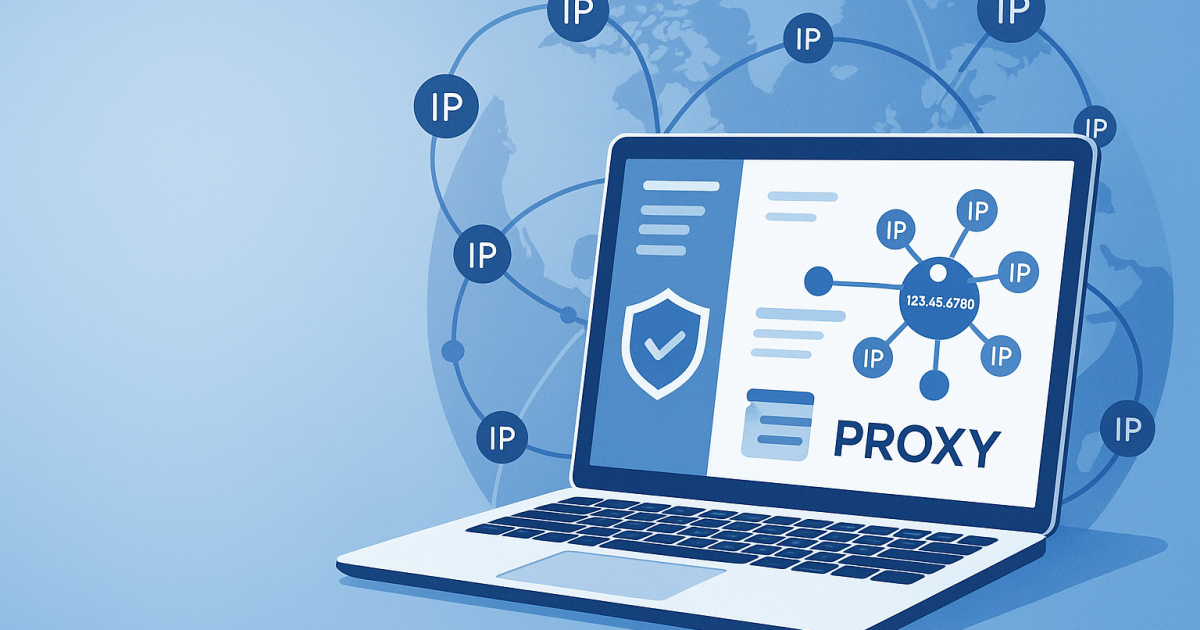
Residential proxies are IP addresses assigned by Internet Service Providers (ISPs) to homeowners. They act as intermediaries, allowing users to connect to the internet through a residential device. When you conduct travel fare monitoring with residential proxies, you hide your actual IP address and appear as if you are a local user in various geographic locations.
Here’s how it works:
- When you request travel prices from a website, your query routes through the residential proxy server.
- The proxy server sends your request using its residential IP address, receiving the fare data directly from the travel website.
- When the data is returned, it first goes to the proxy server before being forwarded to you, masking your real location.
Benefits of Using Residential Proxies for Travel Fare Monitoring
- Unblock region-specific pricing: Some travel websites adjust prices based on your geographic location. By using residential proxies from different locations, you can see fares tailored to those regions.
- Secure data scraping: Unlike datacenter proxies, residential IPs tend to be less susceptible to blocking, making them ideal for scraping fare information.
- Accurate insights: Collecting data from multiple locations allows you to gain better insights on trends, helping you save money when booking flights or hotels.
Practical Scenarios
When it comes to using residential proxies for travel fare monitoring, here are several practical scenarios to consider:
- Comparative Analysis: Compare flight prices from multiple travel websites to identify the best deal.
- Booking Patterns: Monitor fare changes over a set period to spot trends and determine optimal booking times.
- Geolocation-Specific Deals: Access potential discounts or fare promotions available exclusively to certain regional users.
- Testing Multiple Searches: Retry similar search queries without being blocked or flagged for perceived bot-like behavior.
- Dynamic Pricing Models: Track fare variations over time to gain insight into airline pricing algorithms.
- VIP Passport Services: Access exclusive deals or private pass resources often offered on regional platforms.
- Competitor Research: Evaluate offers from other travel providers to enhance your own travel agency or website.
- Mobile Device Simulations: Use mobile residential proxies to simulate searches from smartphones, as many booking sites have mobile-only prices.
Step-by-Step Guide
Using residential proxies for travel fare monitoring can benefit from a structured approach. Here’s how to set it up:
- Choose a Proxy Provider: Select a provider that offers reliable residential proxy services. Making sure it's fitting for your needs is essential. One such option is PinkProxies.
- Create an Account: Sign up for a new account and follow any verification procedures required by the provider.
- Purchase Proxies: Based on your monitoring plans, purchase the required proxies. Depending on the provider, geographical targeting options may be available.
- Access the Proxy List: After purchase, access your proxy details — including IP addresses and port numbers.
- Select a Tool: Choose a web scraping tool or software that works with proxies, such as Scrapy, Octoparse, or even your browser settings.
- Configure the Tool: Input your proxy settings in the selected tool. Typically, this involves entering the IP address and port details. Make sure to enter your username and password, if required.
- Set Up Target Fares: Determine which travel fares you want to monitor by entering relevant links or queries in your tool.
- Run Monitoring Sessions: Initiate automated scraping sessions to capture fare data over specified intervals.
- Analyze the Data: Collect retrieved data and analyze it to identify patterns, trends, and potential savings.
- Continuous Adjustment: Periodically refine your search criteria and analysis methods to optimize results.
Safety / Privacy / Legal
When using residential proxies for travel fare monitoring, it is crucial to adhere to both ethical and legal standards:
- Respect Terms of Use: Always review and understand the terms of service for the websites you are scraping data from to ensure compliance.
- Rate Limiting: Avoid sending too many requests in a short time frame to prevent getting blocked by the target website.
- Ethical Scraping Practices: Abide by ethical scraping rules including adhering to robots.txt provisions and avoiding sensitive information collection.
- Stay Anonimized: Maintain anonymity during your monitoring activities. Insightful data should come from lawful collection methods.
- Check Local Regulations: Familiarize yourself with your local laws surrounding web scraping to ensure you’re not inadvertently violating privacy laws.
Best Alternatives
Should you require alternatives to residential proxies for travel fare monitoring, consider the following options:
- Datacenter Proxies: More affordable but often risk blocking. Suitable for non-sensitive data scraping.
- VPN Services: Virtual Private Networks can hide your browsing activity but generally come with limited features for rental pooling.
- Specialized Fare Monitoring Tools: Some tools specifically tailor for fare comparisons, but may not provide flexibility or extensive location options.
- PinkProxies: If you decide you want reliable access across geographical locations with residential options, PinkProxies could be a solution worth considering.
Frequently Asked Questions
Q1: Are residential proxies legal to use?
A1: Yes, under most circumstances. While web scraping can exist in a legally gray area, ensure you comply with any website's terms of service.
Q2: How do I know if I’m using a good proxy provider?
A2: Look for providers with good reviews, responsive customer support, transparent pricing, and a range of IP choices.
Q3: What is the best proxy type for travel fare monitoring?
A3: Generally, residential proxies are best for this purpose, as they mimic real user behavior and have a lower risk of being blocked.
Q4: How can I avoid getting blocked while using proxies?
A4: Implement rate limiting, rotate IPs regularly, and use a mixture of proxy types, including sticky sessions if necessary.
Q5: Do I need technical skills to use residential proxies?
A5: Basic technical skills are helpful, but many residential proxy providers offer user-friendly options that minimize complexity.
Q6: How often should I monitor travel fares?
A6: The frequency depends on your objectives, but monitoring regularly during major fare sales seasons can yield better results.
Q7: Can using instead a VPN work for fare monitoring?
A7: A VPN can protect your location but may not offer robust scraping capabilities like residential proxies.
Q8: What are the risks of using residential proxies?
A8: Risks include potential account bans from travel sites if terms are violated or proxies become flagged for suspicious activities.
Q9: Do the prices of residential proxies vary?
A9: Yes, costs may vary depending on factors such as geographical location, connection speed, and service fidelity.
Q10: How can I enhance my fare-monitoring strategy?
A10: Diversify your tools, regularly change IPs, segment your monitoring targets, and analyze historical fare data to improve results.
Conclusion
Using residential proxies for travel fare monitoring can significantly enhance your ability to track changes in pricing, uncover localized deals, and make well-informed travel bookings. By utilizing the right tools and adhering to ethical practices, you can maximize your savings without running afoul of regulations. If you need reliable residential proxies, consider exploring options like PinkProxies, which can help support your fare finding strategy and enhance your travel budgeting efforts.