Introduction
In today's data-driven world, accessing real-time information can give businesses a competitive edge. If you're looking to gather data from various sources, using a proxy API for API data collection is an effective solution. This method helps bypass common restrictions and maintain anonymity, allowing you to obtain the data you need without obstacles.
This article provides a detailed analysis of proxy APIs for data collection, explaining what they are, how they work, practical scenarios for their use, and considerations regarding safety and privacy. Let’s dive in!
What It Means / How It Works
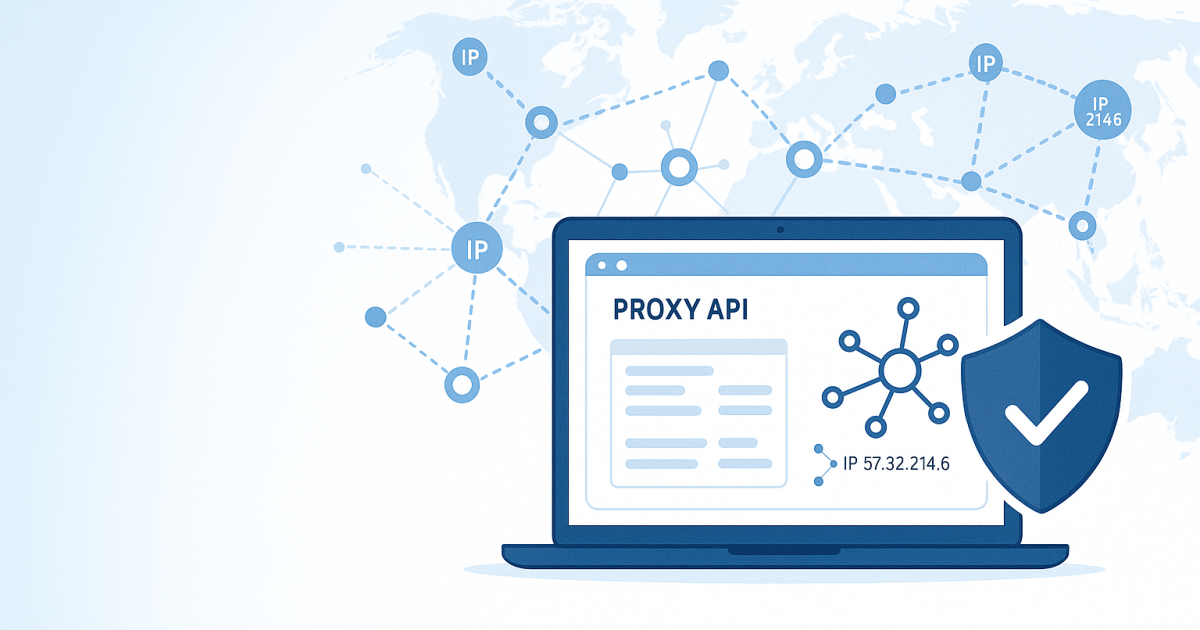
A proxy API functions as an intermediary between your application and the external server from which you want to collect data. With a proxy, your requests to the external API are routed through the proxy server, which modifies your request as necessary and forwards it to the desired endpoint.
Here’s a simplified breakdown of the process:
- Client Request: You issue a request from your application to collect data from an API.
- Routing: The request is sent to a proxy server configured to manage API requests.
- Modification (if needed): The proxy prepares the request and may modify it to ensure it fits the receiving API's specifications.
- Forwarding: The proxy sends your request to the target API.
- Response Handling: The target API responds back to the proxy, which then forwards the data to your application.
This process allows you to circumvent various limitations, such as rate limiting or geographical restrictions while also maintaining data privacy and security.
Practical Scenarios
Using a proxy API for data collection can fit various applications. Here are some practical scenarios:
- Market Research: Gather large datasets from competitor websites or consumer reviews for insightful analysis.
- AI and Machine Learning: Collect training data for algorithms by scraping large data sets efficiently.
- Price Monitoring: Continuously track product prices on e-commerce websites to stay competitive.
- SEO Monitoring: Collect SERPs data to track your website's rankings without triggering blocks from Google.
- Social Media Insights: Retrieve user-generated content or sentiment data for brand analysis.
- Real Estate Listing Scraping: Compile property data for an accurate reflection of market trends.
- Ad Verification: Ensure that your ads appear in the desired context online to measure marketing ROI.
- News Aggregation: Collect articles from various news sites for comparative analysis or reporting.
- Public Data Sites: Automate data collection from public APIs for legitimate research purposes.
- Weather Data Collection: Access real-time weather data from multiple APIs to improve forecasting solutions.
Step-by-Step
Here’s how to implement a proxy API for data collection:
- Choose the Right Proxy Service: Look for a reliable proxy provider that offers the specific proxy API you need. Providers like PinkProxies offer various options suitable for data collection.
- Sign Up: Create an account with your selected provider.
- Purchase Credits: Add funds to your account based on your data collection needs.
- Select API and Proxy Type: Identify which data API you want to connect to and pick an appropriate proxy type, such as a rotating proxy for higher anonymity.
- Generate Proxy Credentials: Obtain the necessary credentials for accessing the proxy server.
- Code Your Requests: Start coding by configuring your application to send API requests through the proxy.
- Test Your Setup: Before commencing extensive data collection, run several tests to ensure everything is functioning correctly.
- Launch Your Data Collection: Once confident your setup is correct, initiate the data collection process.
- Monitor Performance: Regularly review metrics such as success rate, speed, and any error alerts while collecting data.
- Optimize as Necessary: Adjust requests and proxy settings depending on performance and requirements.
Safety/Privacy/Legal
While proxy APIs enable more agile data collection strategies, it's crucial to navigate the legal landscape responsibly. Here are some important considerations:
- Respect Robots.txt: Always check the target website's
robots.txtfile for compliance. This outlines which parts of the site can be scraped and provides guidelines. - Use Rate Limiting: To prevent IP bans, ensure that you mimic human browsing habits by spacing out your requests.
- Adhere to API Terms of Service: Always read and comply with the target API's terms, including limitations on data use.
- Do Not Collect Personal Data: Carefully avoid scraping websites for personal information unless properly authorized to do so.
- Use Proper Encryption: Protect data with secure protocols (HTTPS) to ensure the privacy of sensitive data.
- Become Aware of Legal Consequences: Be fully aware of potential legal actions from companies making the content accessible only through contracted APIs. Violating terms could lead to refunds taken from your credit or banning requests.
Best Alternatives
Several alternatives exist to enable seamless API data collection, though using a dedicated proxy remains one of the most effective. Services like PinkProxies provide a variety of options, giving you peace of mind that your data collection needs are covered securely and anonymously.
Frequently Asked Questions
Q: What are the benefits of using a proxy API for data collection?
A: Key benefits include avoiding rate limits, maintaining anonymity, bypassing geographic restrictions, and aggregating large volumes of data smoothly.
Q: How do I choose the right proxy type?
A:Choose based on your specific needs; rotating proxies work well for frequent requests, while static proxies may be better for more consistent IP requirements.
Q: Is data collected through a proxy API legal?
A: Generally, yes if conducted ethically. However, ensure you comply with all relevant terms of services and legal parameters.
Q: Why is testing so important before large-scale data scraping?
A: Testing ensures that your setup functions correctly, preventing wasted resources, unnecessary bans, or performance issues.
Q: Can I use proxy APIs on mobile devices?
A: Yes, you can configure devices or mobile apps to send requests through a proxy API for mobile-oriented data collection.
Q: How can a proxy API affect data speed?
A: Proxies introduce added latency, but high-quality proxies handle requests faster than lower-quality ones and help mitigate this issue.
Q: What should I do if my proxy gets blocked?
A: Reevaluate your request patterns, implement rotation, and consider using session-controlled proxies.
Q: How do I ensure high success rates when scraping?
A: Employ appropriate scraping speeds, respect usage limits, and test thoroughly. Optimize settings based on previous testing results.
Q: Can I collect API data for commercial purposes?
A: This is contingent on the data provider's terms; always verify and abide by their requests for legal collection and use.
Q: How can I guarantee private data preservation?
A: Secure your connections with encryption protocols like HTTPS and implement best practices in handling sensitive information.
Conclusion
Utilizing a proxy API for data collection provides an efficient and reliable method to acquire various data sets while adhering to safety and legal practices. Whether you're gathering information for market research, price tracking, or social media insights, a Proxy API can make your data collection process smoother and more effective.
Consider adopting a well-reviewed service like PinkProxies, ensuring both function and ethical use while gathering the data vital for your operations. Ready to get started? Begin your implementation today!