Introduction
In today's fast-paced digital landscape, online privacy is more important than ever. Individuals and businesses alike are increasingly turning to proxies to help maintain their anonymity while engaging with various online services. Among the various types of proxies available, random session residential proxies stand out as a robust option for securing your online activities. This article will explore what random session residential proxies are, how they work, and the advantages they offer, alongside practical scenarios for their usage.
What it means / how it works
First, let’s break down the concept of random session residential proxies. A proxy server serves as an intermediary between your device and the internet, allowing you to send requests and receive data while masking your real IP address. When it comes to residential proxies, these originate from real residential devices, meaning the IP addresses associated with these proxies belong to actual households rather than data centers.
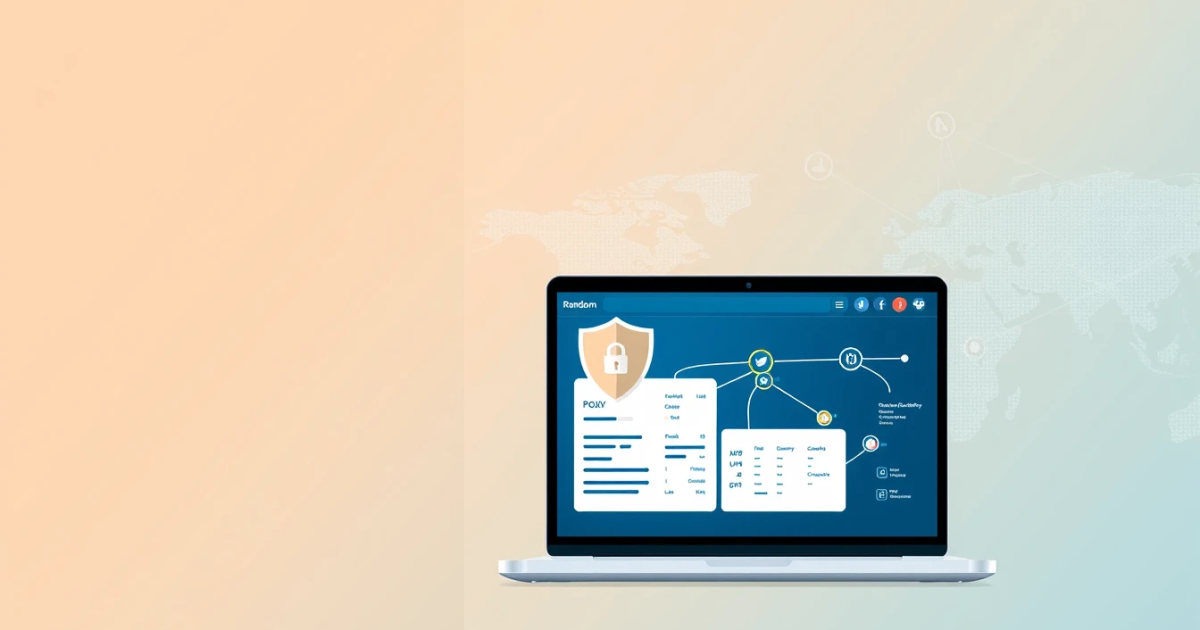
Random session residential proxies introduce an additional layer of security by assigning a new IP address for each session or request. This rotation occurs randomly, making it difficult for websites to track your behavior or block your access based solely on repeated requests from the same address.
Here’s how it all fits together:
- Installation of a Proxy: You connect to the proxy server instead of your own network when you engage an online service.
- IP Address Masking: Your real IP address is hidden, making your online actions appear to come from the proxy server.
- Randomization: Every time you initiate a new session or request, a different residential IP is assigned, ensuring your online movements remain unpredictable.
Practical scenarios
Random session residential proxies can be highly beneficial for a variety of use cases. Here are some practical scenarios where they shine:
- SEO Monitoring: Rank tracking and SERP checks can be influenced by geographic areas. Random proxies enable geographic diversity for tracking results from different locations.
- Data Scraping: When collecting data from websites, using random session residential proxies minimizes risks of bans since requests will appear to be coming from distinct, randomized IPs.
- E-commerce: Price comparison or monitoring products on competitors’ websites can be done safely without fear of getting blocked.
- Ad Verification: Ensure your advertisements are displaying correctly across various platforms, and verify geographical targeting for campaigns.
- Market Research: Random proxies let users view content from various geographic locations, uncovering insights that may not be accessible otherwise.
- Web Testing: Test websites under different conditions to identify possible issues in varied connectivity scenarios, including using proxies from the same region as target users.
- Social Media Management: When managing multiple accounts, residential proxies help to keep activities under the radar, reducing the chance of account suspensions.
- Online Gaming: Players can access restricted content or games from different regions without compromising their accounts.
- Anonymous Browsing: For those who value privacy, random session residential proxies allow for secure and anonymous internet use.
- Ad Fraud Prevention: Marketers can verify the authenticity of their ad heels, protecting their interests through careful traffic sourcing.
Step-by-step
Using random session residential proxies is straightforward. Here’s how you can leverage them:
- Go to PinkProxies and create an account if you haven’t done so.
- Log into your account and select the type of proxies you want to use, focusing on the random session residential options.
- Choose parameters such as geographic location options depending on your requirements.
- Upon generating your proxy credentials, copy these details for future usage.
- Integrate your proxies into the program or tool you want to use, such as a web browser, scraper, or SEO tool.
- Run compatibility tests to ensure that the proxy operates properly with your application.
- Begin sending requests to check connectivity and effectiveness. Monitor the response for any blocks or bans to refine your usage.
- Utilize analytic tools to track the metrics related to your traffic and IP usage.
- Continuously tweak your configurations based on the performance and results you observe.
Safety/privacy/legal
While random session residential proxies offer remarkable advantages for privacy and security, understanding the safety and legal implications is crucial. Here are essential points to remember:
- Respect Terms of Service: Always abide by the legal agreements of any website you interact with. Scraping without permission may breach their terms of use.
- Be Ethical: Use proxies for legal, ethical purposes. Proxies can be a powerful tool but should not facilitate malicious activities.
- Data Security: Ensure you're using a trustworthy proxy provider. Some providers can pose security threats. Always choose reputable services.
- Traffic Monitoring: Be vigilant about patterns in your traffic. Review analytics regularly to detect any unusual activity that could suggest misuse.
- Legal Provisions: Familiarize yourself with your local laws regarding data scraping and privacy to avoid potential violations or liability. Your usage must adhere to prevailing regulations.
Best alternatives
While random session residential proxies offer significant benefits, several alternatives can also be effective depending on your specific needs. For instance, PinkProxies offers various residential, datacenter, and rotating proxies that may fit your circumstances better, depending on your use case. Selecting the right type of proxy is vital for optimizing your digital tasks based on requirements such as performance, cost, and flexibility.
Frequently Asked Questions
Q: What are random session residential proxies?
A: They are proxy servers that use real residential IP addresses, changing to a new IP address for each request or session to enhance anonymity.
Q: How do they differ from regular residential proxies?
A: While standard residential proxies assign a single IP address for the session duration, random session residential proxies rotate IPs for each new request to increase anonymity.
Q: When should I use random session residential proxies?
A: They are best used for tasks requiring high levels of anonymity and to prevent being tracked, such as web scraping or competitive pricing analysis.
Q: Are random session residential proxies legal to use?
A: Generally, yes, but always respect the terms of service of sites you're accessing and local laws concerning privacy and data scraping.
Q: Can random session proxies improve my SEO efforts?
A: Yes, they help track rankings and SERPs from different locations effectively, making your SEO strategies more robust.
Q: Will I always receive a different IP with every session?
A: Yes, random session residential proxies assign a new IP address randomly with every new session or request.
Q: How do I set up random session residential proxies?
A: Set them up through a proxy provider by creating an account, choosing your proxy type and location, and integrating them with your preferred tool.
Q: What types of tasks are unsuitable for random residential proxies?
A: Avoid using them for highly sensitive transactions where established IP reputations are needed, such as online banking.
Q: Can I use these proxies to access content or sites restricted in my country?
A: Yes, random session residential proxies can help bypass geographical restrictions and enable access to region-locked content.
Q: Are random session residential proxies reliable?
A: Yes, they tend to offer good stability, but reliability may depend on the proxy provider. Researching providers and testing options is always recommended.
Conclusion
In conclusion, random session residential proxies are a powerful tool for anyone looking to safeguard their digital privacy and data collection efforts. They provide enhanced anonymity with their IP rotation capabilities, making them suitable for various legitimate online activities such as web scraping, SEO monitoring, and e-commerce practices. However, it’s vital to operate within local laws and website terms of service to ensure responsible use. Consider exploring solutions offered by provider like PinkProxies for a great start in using residential proxies effectively. Begin a practical experiment with sessions to protect your digital footprint today!