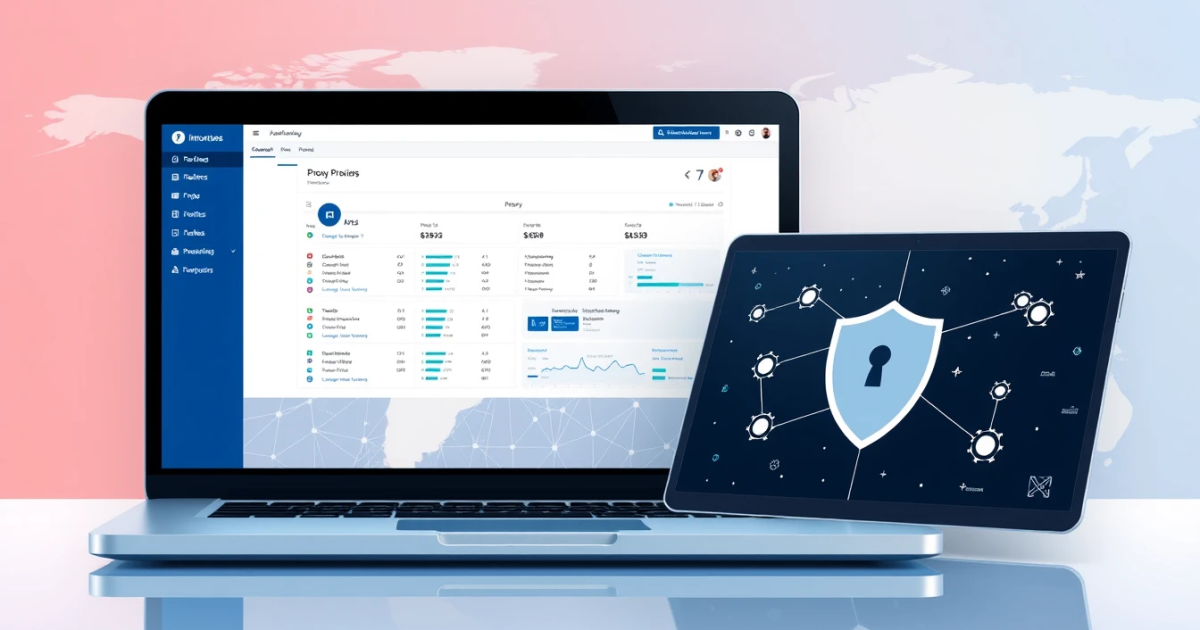
If you're looking to collect data from Google Maps effectively and without restrictions, residential proxies are the ideal solution. They provide a usable local IP address, helping you avoid request limits and blocks that make data collection challenging. With PinkProxies offering reliable residential options, you'll have the necessary infrastructure for harvesting location-specific data efficiently.
Why Use Residential Proxies for Google Maps Data Collection?
Using residential proxies means you're utilizing IP addresses associated with real residential users, which significantly reduces the likelihood of being blocked by Google Maps. Whether you're conducting local SEO analysis, doing market research, or verifying business listings, these proxies give you access to vital data without triggering security measures.
How to Set Up Residential Proxies for Google Maps Data Collection
Follow these steps to ensure you set up your residential proxies correctly for Google Maps data collection:
- Go to PinkProxies.
- Create an account or log in to your existing account.
- Purchase a residential proxy plan suitable for your needs. Plans start as low as $0.80 per GB.
- Choose the appropriate country and city that corresponds with the location you want to analyze.
- Configure your scraping tool or script to use the purchased proxy IP along with the credentials provided by PinkProxies.
- Run a test by sending a few requests to Google Maps to confirm everything is working correctly.
- Fetch the required data, being mindful of rate limits.
To confirm that your setup works well, check for response status codes. A return code of 200 indicates successful access.
Troubleshooting Common Issues
Should you encounter problems while collecting data, here are some common issues and solutions:
- Blocked Requests: This happens when Google detects unusual patterns in requests from your IP. Ensure you're not making too many simultaneous requests in a short period.
- Incorrect Proxy Configuration: Double-check the proxy settings you entered into your scraping tool or script. Common mistakes include misentering authentication credentials.
- Timeout Errors: This could indicate network issues. Consider testing your connection outside of Google Maps, or facing a temporary server problem from Google’s side.
For a smoother experience, add varying request delays. This helps simulate more natural browsing behavior.
Comparing Residential Proxies to Other Types
When assessing proxies to support your Google Maps data collection, here’s a quick comparison:
| Proxy Type | Cost | Speed | Block Risk | Session Control | Best Use Case |
|---|---|---|---|---|---|
| Residential | From $0.80/GB | Varies (typically slower) | Low | Rotating or sticky | Google Maps data collection |
| Datacenter | $0.50/GB | Fast | Moderate | Rotating | General scraping tasks |
| Mobile | $2.00/GB | Slowest | Low | Rotating | Data sensitive for user behavior research |
For Google Maps data collection, residential proxies offer the best outcome due to lower block risk and improved geographic consistency. While datacenter proxies might be less costly, they come with higher block risks making them less effective for this specific task.
Important Considerations and Costs
When investing in residential proxies for data collection, keep in mind several factors:
- Proxy Type: Choose between rotating and sticky sessions based on your data collection methodology. Rotating proxies are great for large-scale operations while sticky sessions keep the same IP for specific repeated tasks.
- Cost Structure: Pricing for residential proxies ranges from $0.80 to as low as $0.20 depending on volume. Choose a plan that aligns with your collection goals.
- Geographic Targeting: Ensure the proxies cover the locations for accurate data absorption. PinkProxies provides options for over 150 countries, improving your geolocation access.
- Ethical Implications: Respect the boundaries set by Google’s data scraping guidelines; avoid overload and adhere to their robots.txt formulations.
Use Case: Residential Proxy Setup for Google Maps
Let’s explore a dependable workflow setup when collecting data from Google Maps:
- Pick the right residential proxy from PinkProxies, fitting your geographic needs (e.g., residential IP from the United States).
- Prepare your scraping tool, incorporating the proxy settings, authentication, and required headers.
- Plan your scraping sessions in multiple push statements. If you require location data from several cities, maintain several periods without consecutive requests to a single location.
- Utilize tools like Puppeteer or Scrapy for intricate data gathering from Google Maps, paying attention to local results fetched by your properly set residential proxy.
It's crucial to respect Google Maps' data collection policies. Doing otherwise risks them blocking sessions. Awareness of regional regulations against data scraping is equally important.
Frequently Asked Questions
What are residential proxies?
Residential proxies route your internet traffic through real residential IP addresses, making it difficult for websites to detect you as a bot, significantly reducing chances of blockage.
How do I test the effectiveness of my residential proxy?
You can test recent API calls to ensure you're obtaining valid responses. Also, monitoring the IP's functioning through various sites can validate your setup.
Are residential proxies better than datacenter proxies for Google Maps?
Yes, residential proxies are generally better for Google Maps data collection because they are less likely to be blocked and provide location authenticity.
How many requests can I make using proxies without being blocked?
It largely depends on how frequently and in what volume requests are made. As a starting point, consider one request per second per proxy with added random intervals to balance the load.
Why is the location of the residential proxy important?
The proxy location determines how geographically relevant the returned data will be, crucial when pulling location-based results from services like Google Maps.
Is it ethical to scrape Google Maps data?
Collecting data can be ethical if one respects rate limits, complies with terms of service, and refrains from collecting this data to resell it.
What is the typical cost of residential proxies for Google Maps scraping?
Currently, basic residential proxy plans at PinkProxies start at $0.80 per GB, enabling cost-efficient data collecting solutions.
Can I automate the Google Maps data collection process?
Yes, through scripts or dedicated scraping tools integrated with your residential proxy setups, automating the data collection routine is highly achievable.
How do you define the session duration for scraping?
Session duration typically refers to how long a proxy IP remains unchanged during a task. Simple projects may need short sessions, while large ones often benefit from longer sticky session approaches.
Conclusion
When looking to collect data from Google Maps effectively, residential proxies from PinkProxies can significantly enhance your chances of success. Understating cost, choosing the right plan, and maintaining ethical standards will maximize your results. If you're ready to create your own data collection process, consider starting with the affordable options at PinkProxies that fit your residential proxy needs.