Introduction
With the increasing importance of web data and automation, many users are turning to rotating proxies for browser automation. Whether you're scraping data, automating repetitive tasks, or managing multiple accounts, rotating proxies can provide the anonymity and security you need. In this article, we’ll explore what rotating proxies are, how they work, their benefits, and best practices for usage.
What it Means / How it Works
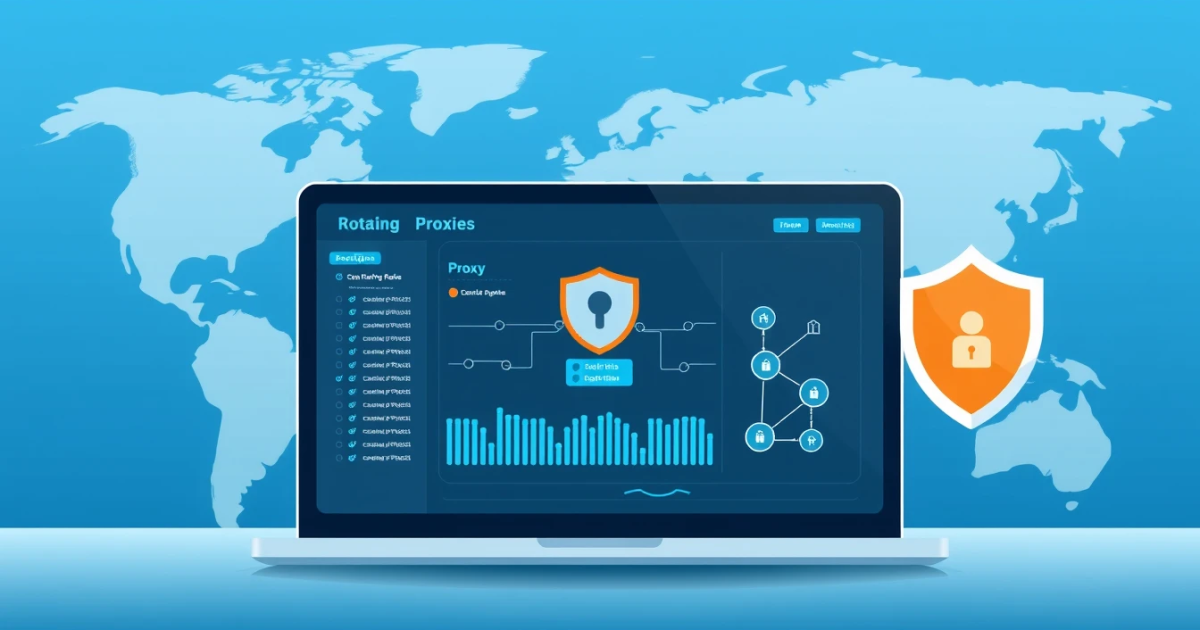
Rotating proxies are proxy servers that change your IP address at regular intervals or after every request. This process enables users to maintain their online identity while conducting automated tasks across different websites.
When you use a rotating proxy, each time your requests are sent out, you can be assigned a different IP address from a pool of available IPs. This rotation can be based on a predefined time frame, session holds, or usage demands.
Here's a quick breakdown of how it works:
- Intermittently Change IP: The proxy server switches your IP address regularly, appearing as different users accessing the web.
- Session Management: Some rotating proxies maintain session control by assigning the same IP address for a specified time to perform continuous tasks without being blocked.
- IP Pool: A rotating proxy service typically works through a large pool of IP addresses, often hosted in various geographical locations. With this diversity, websites find it difficult to block requests coming from a single IP source.
Practical Scenarios for Using Rotating Proxies
Here are some common uses for rotating proxies in browser automation:
- Data Scraping: Automated web scraping tasks can be carried out more effectively without risk of IP bans.
- Account Management: Manage multiple accounts safely on platforms requiring enhanced security without drawing attention.
- SEO Monitoring: Carry out keyword ranking checks and SERP monitoring from different geographic locations.
- Market Research: Collect pricing intelligence or drive comparison with local market conditions.
- Ad Verification: Automatically verify online advertisements without restrictions limiting visibility based on your location.
- Competitor Analysis: automated insights into competitors' pricing, placements, and offerings can help refine your market strategy.
- Content Testing: Agencies and marketers can use such proxies to test landing pages across geo-targeted requests without detection.
- Web Testing and Debugging: Check website functionality and user experience from various locations while preserving anonymity.
Step-by-Step Guide to Using Rotating Proxies for Browser Automation
If you're looking to implement rotating proxies into your automation tasks, follow these steps:
Choose a Proxy Provider: Look for reputable services like PinkProxies that offer diverse rotating proxy solutions tailored for your needs.
Sign Up and Configure: Create an account on your chosen service, complete the subscription process, and log into your user dashboard.
Choose Your Plan: Select a rotating proxy plan that fits your budget and requirements, including IP pool size and session length.
Setup Proxy Settings: Obtain your proxy credentials, which include the IP address, port, username, and password.
Configure Your Automation Tool: Input the proxy credentials into your web scraping or automation tool settings.
Define Automation Tasks: Clearly define what tasks to automate, whether scraping data or monitoring platforms.
Run a Test: Before executing a full automation task, run a small batch test to monitor performance and stability.
Monitor Results: Evaluate metrics such as request success rates, speed, and ensure everything operates smoothly.
Adjust Settings as Needed: Based on results from monitoring, fine-tune the proxy settings or adjust the task parameters.
Safety, Privacy, and Legal Considerations
Using rotating proxies presents opportunities but also legal and ethical responsibilities:
- Legal Practices: Ensure your activities remain within the legal confines. Respect robots.txt and terms of service from sites you target.
- Privacy Protection: Rotating proxies can safeguard your actual IP, but ensure you're also protecting sensitive data.
- Data Collection Ethics: Automated data collection must meet ethical standards regarding user data. Seange professionals avoid sensitive data capture wherever possible.
- Rate Limiting Practices: Adhere to reasonable limits; if you send too many requests, intentionally or not, you're prone to IP bans.
Best Alternatives to Consider
While there are many proxy services available, dedicated rotating proxies often yield the best performance, reliability, and integration with browser automation. If you're weighing your options, consider services like PinkProxies for their flexibility and diverse proxy solutions.
Frequently Asked Questions
Q1: What is the primary benefit of rotating proxies?
A: The main advantage is their ability to change IP addresses automatically, reducing the risk of bans from websites during automation tasks.
Q2: How do I know if I need rotating proxies?
A: Rotating proxies are ideal for anyone who needs to conduct frequent and repeated connections to the same website, especially for scraping or account management.
Q3: Can I implement rotating proxies without technical skills?
A: Yes, while some setup knowledge helps, many providers offer simple, user-friendly interfaces for non-technical users.
Q4: Are rotating proxies legal?
A: Yes, using rotating proxies is legal; however, ensure your usage is compliant with websites’ terms of service and data privacy laws.
Q5: What platforms are best for using rotating proxies?
A: Platforms requiring extensive data access, such as SEO tools, market research automation, or social media management, benefit greatly from rotating proxies.
Q6: Are they expensive?
A: Costs vary significantly based on the provider and the plan you select. Generally, the investment is minimal compared to the benefits.
Q7: Can rotating proxies slow down my browser automation tasks?
A: While some latency may occur, quality rotating proxies should not significantly impede performance.
Q8: What is the difference between residential and datacenter rotating proxies?
A: Residential proxies come from real user devices, helping avoid blocks. Datacenter proxies are cheaper but might get flagged more due to their nature.
Q9: Do I need different IPs for different tasks?
A: While not necessary, using various IPs for distinct tasks can help avoid detection and lesson restrictions imposed by websites.
Q10: How can I find the best rotating proxy service for my needs?
A: Research your options focusing on the provider's performance, support services, the diversity of their IP pool, and user reviews of their experience.
Conclusion
Rotating proxies represent a powerful resource for anyone looking to efficiently carry out browser automation tasks. They shield your identity, allow access to restricted data, and play into strategic account management without raising red flags. For various automation tasks you might be involved with, consider getting started with your proxy service today.
Choose wisely, follow best practices around usage, and leverage the automated power available to you through rotating proxies.