Introduction
In the world of digital marketing, accurate and thorough market research is key to business success. However, gathering data can sometimes involve errors, restrictions, or, worse, blockage by websites. This is where rotating residential proxies enter the scene. They allow you to extract valuable data without revealing your identity and while reducing the risk of being banned. In this article, you’ll learn what rotating residential proxies are, how they work, practical scenarios for use, a step-by-step guide for getting started, safety tips, alternatives, and frequently asked questions.
What It Means / How It Works
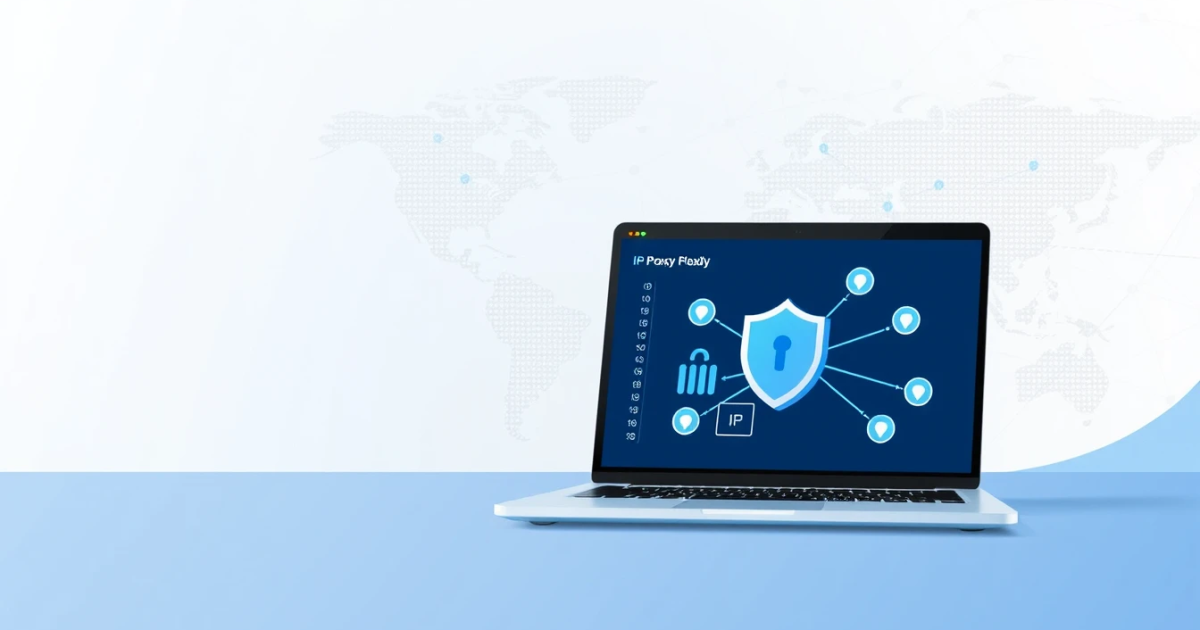
Rotating residential proxies are a type of proxy server that directs your internet connection through different residential IP addresses. Unlike datacenter proxies, which are linked to servers, residential proxies use IPs provided by Internet Service Providers (ISPs) associated with actual households. This leads to higher anonymity and a lower chance of being blocked by target websites.
These proxies rotate the IP addresses frequently (typically after each request or at set intervals), ensuring that you get fresh identities each time you access a webpage. This rotation makes it harder for sites to pinpoint or identify unusual browsing behavior, thus making data collection smoother.
Practical Scenarios
Here are some practical scenarios where rotating residential proxies are highly beneficial for market research:
- Online Price Monitoring: Track competitor prices across different regions without being blocked.
- Social Media Analysis: Scrape data from social media platforms to understand consumer trends without facing daily limits.
- Survey Analysis: Collect survey responses or feedback while rotating identities to avoid data bias.
- Website Performance Testing: Analyze site performance from different geographic locations to understand load times and data retrieval speeds.
- Ad Verification: Ensure that your competitors' ads appear as expected across various regions and devices.
- SEO Research: Monitor keyword ranking positions and SERP fluctuations effectively by rotating through different locations.
- Web Scraping without Limits: Access multiple pages on a website without running into CAPTCHA or IP bans.
- Market Trend Analysis: Scrape data from e-commerce platforms to analyze purchasing trends and consumer behavior.
- Data Enrichment: Collect information on business listings using rotating identities, ensuring varied data sources.
- User-Generated Content Monitoring: Evaluate reviews and feedback from users across different regions while avoiding detection.
Step-by-Step
Here's how you can get started with rotating residential proxies for your market research needs:
- Step 1: Go to PinkProxies.
- Step 2: Create an account or sign in. Free trials are often available—take advantage of them!
- Step 3: Once logged in, add funds to your account if required.
- Step 4: Choose the rotating residential proxy option—the system may provide options based on regions or ISP.
- Step 5: Select your target configurations, such as location and session types, to gather data efficiently.
- Step 6: Generate or copy your proxy credentials to begin setting them up in your scraping tool.
- Step 7: Apply the proxy settings to your web scraping, market analysis, or survey tools and run small pilot tests to identify any adjustments.
- Step 8: Analyze results and tweak parameters as needed, keeping an eye on data collection stability and usability.
- Step 9: Monitor usage statistics regularly to make informed decisions about scaling or modifying your approach.
Safety / Privacy / Legal
When utilizing rotating residential proxies, it’s essential to adhere to ethical and legal guidelines:
- Always consult and respect local laws regarding data collection and privacy.
- Be aware of the terms of service for the websites you are scraping.
- Implement rate limits—scraper settings that dictate how quickly requests are made can help reduce the risk of being banned.
- Avoid making too many requests from a single source within a short time span to avoid detection and blocking.
- Exclude sensitive personal information when scraping data.
- Make sure to respect 'robots.txt' to understand what content is available for scraping or using proxies.
Taking these steps helps ensure that your research remains ethical, responsible, and compliant with legal frameworks.
Best Alternatives
If you’re considering rotating residential proxies for market research, you might also look into the wide array of services available right now. Options span across various budget ranges and support features:
One option could be PinkProxies, offering various proxy types including rolling residential proxies at a competitive price. Their user-friendly platform helps you set up your proxy configurations seamlessly too.
Frequently Asked Questions
Q: Which proxy type is the best for market research?
A: Rotating residential proxies are currently the best choice due to their anonymity and ability to bypass blocks from websites.
Q: Do I need technical skills to use rotating residential proxies?
A: No, most rotating residential proxy services are designed to be user-friendly, with guides available to walk you through the process.
Q: What are the risks of using proxies for market research?
A: The main risks involve possibly violating a target site's terms of service or getting blocked if you breach etiquette in your data collection.
Q: Can I use free proxies instead of paid ones?
A: While free proxies exist, they often lack security features and reliability, which could thwart your market research efforts.
Q: How often do residential proxies rotate?
A: This depends on your settings; some services allow you to rotate after each request, while others may do so hourly or daily.
Q: Are rotating proxies legal to use?
A: Yes, but you must ensure that you comply with local laws, the other party's terms, and ethical scraping guidelines.
Q: What sites commonly block proxies?
A: Sites with strict compliance measures such as online marketplaces, social media, and news organizations often deploy advanced security that can block accesses from known proxies.
Q: How do I improve my success rate using proxies?
A: Employ rate limiting and session management, whether it’s stealth mode or some form of slow crawl strategy.
Q: Can I set up a rotating proxy with mobile and ISP options?
A: Yes, many providers offer mixed plans that incorporate mobile, residential, and ISP proxies to boost performance.
Q: How does geographical targeting affect proxy choice?
A: Choosing proxies from specific regions enhances your ability to gather localized data and track market trends comprehensively.
Conclusion
Rotating residential proxies present a powerful tool for anyone conducting market research. They mitigate risks of data collection while providing anonymity, ensuring data accuracy. Utilizing services, like those offered by PinkProxies, can elevate your research capabilities. As the landscape of online market research evolves, employing these strategies will help maintain compliance, efficiency, and effectiveness.