Introduction
In today's data-driven world, market research has become essential for businesses of all sizes. Understanding consumer behavior, trends, and competitive landscapes allows companies to make informed decisions that drive growth. However, gathering this data can be challenging. This is where the best proxy API for market research comes into play.
A proxy API allows you to collect data from different websites without being throttled or blocked, ensuring seamless and comprehensive data gathering. With the right proxy API, you can extract valuable insights that inform your marketing strategies. In this article, we’ll delve into what a proxy API is, how it works, practical scenarios for using proxy APIs in market research, safety considerations, and more.
What it Means / How It Works
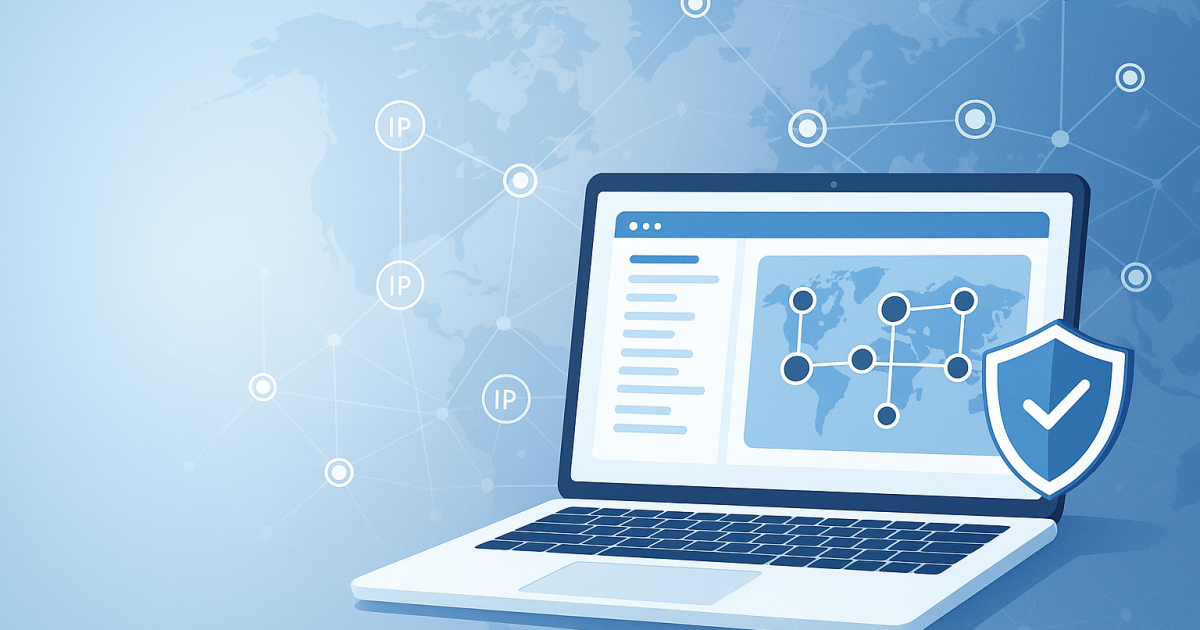
A proxy API serves as an intermediary between your application and various online sources of data. Essentially, it helps you navigate through the internet without directly exposing your IP address, thereby maintaining privacy, bypassing geo-restrictions, and reducing the risk of being blocked by the target sites.
When you send a request through a proxy API, the request first goes to the proxy server. The proxy then forwards the request to the target website. The website responds to the proxy, and finally, the proxy sends the data back to you. This multi-layered process allows users to scrape information anonymously, accessing data from multiple geographic locations simultaneously.
The majority of reputable proxy APIs offer features like rotating IP addresses, which further reduce the chances of detection. In addition, they typically support various protocols (such as HTTP and HTTPS) to make data gathering more straightforward.
Practical Scenarios
- Competitive Analysis: Use proxy APIs to gather information about competitors’ pricing, product availability, and marketing strategies across different regions.
- Price Monitoring: Track price fluctuations over time for competitive products, allowing you to respond proactively to market changes.
- Ad Verification: Verify if ads are displayed correctly across multiple locations and ensure compliance with advertising regulations.
- SEO Tracking: Monitor your website’s ranking positions and keyword performance on various search engines by mimicking local search queries.
- Sentiment Analysis: Gather user reviews and feedback from multiple sources to assess sentiment towards a brand or product.
- Market Trends: Collect and analyze social media data to identify emerging trends and consumer preferences.
- Product Launch Research: Scrape data about similar launched products to evaluate market readiness and potential gaps.
- Web Testing: Test how websites perform under varying conditions by accessing them from different geographic locations.
- Customer Insights: Observe online conversations and forums to gather data on customer behaviors and pain points.
- Aggregator Services: Use a proxy API to compile data from multiple sources, offering consumers insights from a single platform.
Step-by-Step
Implementing a proxy API into your market research workflow can seem daunting, but it’s straightforward when broken down into manageable steps:
- Go to PinkProxies and create an account.
- Choose a proxy API plan that fits your budget and needs.
- Utilize the documentation provided by your proxy API provider for setup instructions.
- Integrate the API into your market research application or tool. Most proxy APIs offer simple libraries or SDKs to facilitate integration.
- Configure any settings such as location targeting or rotation according to your specific research requirements.
- Set up request limits and monitor your proxy usage to avoid any overhead charges.
- Start making data requests through the proxy. Record the results and continuously analyze the data for actionable insights.
- Make adjustments based on initial findings to refine your future data gathering efforts.
Safety/Privacy/Legal
While using proxy APIs offers significant advantages, it also brings forward concerns related to privacy and legality. Here are a few important considerations:
- Respect Website Terms: Always ensure you are familiar with the target website's terms of service. Scraping may not be allowed on some sites, which could expose you to legal risks.
- Data Usage: Use collected data ethically. Ensure you aren't scraping sensitive or personal information without consent.
- Robots.txt Compliance: Check the robots.txt file of the website to see what is disallowed for crawlers, and respect these restrictions.
- Rate Limiting: Implement rate limits in your scraping setup to avoid overloading the target servers. This helps reduce the risk of IP bans.
- Proxy Quality: Always choose reputable proxy API providers that offer quality service and compliance, such as PinkProxies, to ensure safety and reliability.
Best Alternatives
While there are many options on the market, choosing the best solution depends on your specific requirements and budget. PinkProxies is an option to consider for accessing diverse proxy types tailored for various purposes, including market research.
Other alternatives you might consider include:
- Bright Data (formerly Luminati): Known for its vast network of residential IPs.
- Smartproxy: Offers affordable proxy options with a user-friendly interface.
- Oxylabs: Another reputable service known for its dedicated proxies and data-slurping capabilities.
- GeoSurf: Suitable for business-focused tasks, providing reliable geolocation support.
Frequently Asked Questions
Q: What is a proxy API?
A: A proxy API acts as an intermediary that allows you to send requests to various websites while masking your IP address, ensuring privacy and reducing the risk of being blocked.
Q: Why is market research important?
A: Market research helps businesses understand consumer behavior, track trends, and gather competitive insights, enabling better decision-making and strategies.
Q: How does data scraping work from a website?
A: Data scraping involves extracting information from websites, usually via automated scripts or tools that can read HTML pages and collect the desired content.
Q: Are proxy APIs legal?
A: Using proxy APIs is legal as long as you comply with the target website's terms of service and relevant regulations regarding data privacy.
Q: How can I determine the best proxy API for my needs?
A: Assess factors like reliability, cost, IP availability, integration ease, and the type of data you need to inform your decision on the best proxy API.
Q: Can I use proxies for social media data collection?
A: Yes, proxies can be effectively utilized for collecting social media data, but ensure adherence to respective platform policies.
Q: How often can I make requests through a proxy API?
A: This varies depending on the specific API's limitations and service plan; however, adhering to rate limits is essential to avoid IP bans.
Q: Do I need technical expertise to use a proxy API?
A: While some technical knowledge may facilitate integration and troubleshooting, many proxy API providers offer user-friendly interfaces and support that cater to non-technical users.
Q: Is it safe to use scraping tools with a proxy API?
A: Yes, if you follow safety, legality, and ethical practices, using scraping tools with a proxy API can be a very effective way to gather data responsibly.
Q: How do I choose the right proxy API provider?
A: Evaluate the provider based on reliability, features, customizable options, geographical coverage, customer support, and pricing to suit your needs.
Conclusion
The best proxy API for market research not only guarantees smoother data collection but adds another layer of protection against the ever-evolving restrictions online. You gain greater credibility while making informed and data-driven strategies for your business. Ethical use paired with a clear understanding of your goals can lead to successful market research outcomes. Explore options like PinkProxies among others, ensuring the one you select aligns with your market research objectives.