Introduction
In today’s digital landscape, where data privacy and accessibility are crucial, many people are turning to proxy solutions. One type that stands out is backconnect residential proxies. This technology offers unique benefits, especially for users who need to access geo-blocked content or perform extensive online tasks effectively. In this article, you’ll learn what backconnect residential proxies are, how they work, and their practical applications for non-technical users like you.
What it Means / How It Works
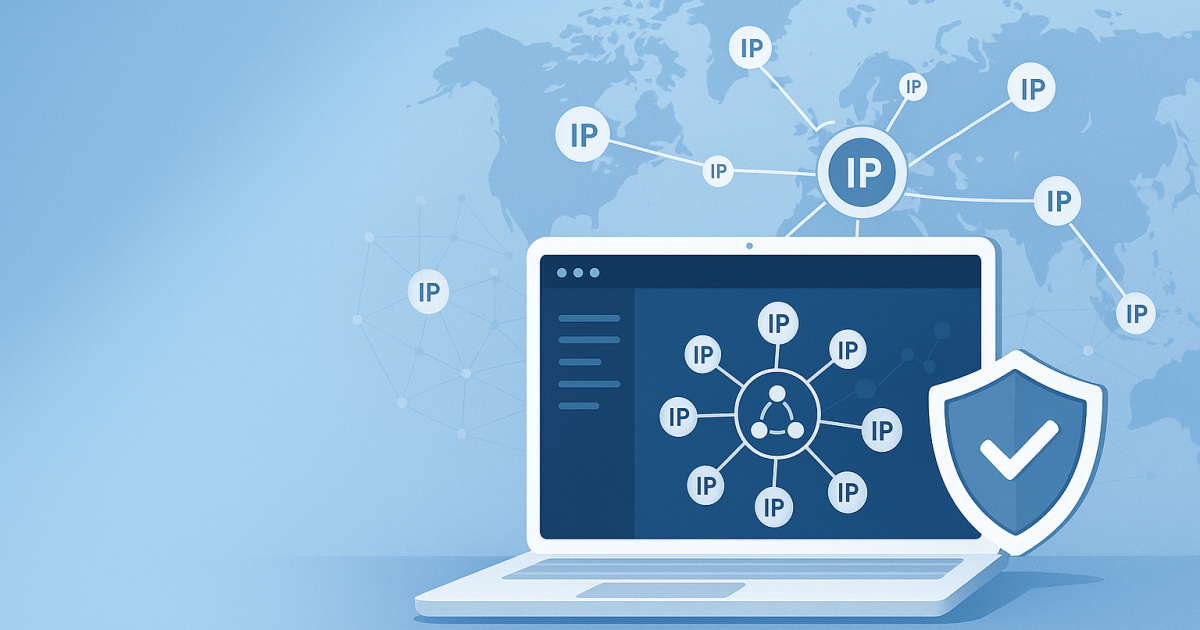
Backconnect residential proxies are a type of proxy service that routes your internet requests through a series of residential IP addresses. Here’s the basic process:
- Your device sends a request through a proxy server.
- The proxy uses its resources to choose a residential IP from a vast pool of IP addresses.
- The selected residential IP makes the request on your behalf, effectively masking your real IP.
- The server receives the data and sends it back through the same chain to your device.
This method provides numerous advantages.
Firstly, unlike datacenter proxies that have a higher chance of being blocked, residential proxies use genuine IPs routed through real homes, making it difficult for websites to detect automated browsing. This makes backconnect residential proxies particularly useful for accessing restricted content, scraping data, or even performing web scraping without facing significant bans or blocks.
Practical Scenarios
Backconnect residential proxies can be particularly useful for a number of scenarios, including:
- Market Research: Gather competitor data or analyze market trends without risking an IP ban.
- SEO Monitoring: Check rankings, search results, and website behavior from different geographic locations.
- Data Scraping: Collect data from various websites in an effective manner while maintaining access.
- Ad Verification: Monitor your online ads' visibility and performance across regions.
- Price Comparison: Access pricing information for products from various locations to ensure competitive pricing.
- Account Management: Manage multiple accounts in various social media platforms without getting restricted.
- Travel Deals: Find the best flight and hotel deals by searching from different locations.
- Social Media Engagement: Increase engagement and interaction while remaining anonymous.
- Website Testing: Test website functionality by simulating international access.
Step-by-Step: How to Set Up Backconnect Residential Proxies
Setting up backconnect residential proxies is generally straightforward. Here is a step-by-step guide:
- Visit a reliable proxy provider's website. For various options, consider PinkProxies.
- Create an account or log in to your existing account.
- Select the backconnect residential proxy service that suits your needs.
- Choose a plan based on your anticipated data usage.
- Record the provided IP addresses and port information.
- Configure your device or software to use these proxies. Instructions are normally provided by the proxy service provider.
- Run some test requests to ensure proper functionality.
- Monitor the performance. Ensure you watch for errors or unexpected behaviors.
Safety / Privacy / Legal Considerations
While backconnect residential proxies offer numerous advantages, they come with some responsibilities and legal considerations:
- Legal Compliance: Always verify that your use case complies with local laws and the terms of the services you interact with. Avoid using proxies for anything illegal.
- Captcha Challenges: Some websites may use captchas to identify non-human traffic. Be prepared to manage this aspect.
- Behavior Patterns: If you behave in a way that raises suspicion (e.g., multiple login attempts), even residential proxies might face blocking.
- Ethical Use: Don’t scrape sensitive data like personal info or financial details without consent. Feel free to conduct research, but ensure it adheres to ethical guidelines.
Using services like PinkProxies can help you remain in the clear, as they often have an established reputation for compliance.
Best Alternatives
If backconnect residential proxies don’t seem like the right fit, consider other proxy types:
- Datacenter Proxies: More cost-effective and faster but often easier to block due to a lower IP reputation.
- ISP Proxies: Combine the stability of datacenter proxies with the legitimacy of residential IPs.
- Mobile Proxies: Excellent for accessing services requiring a mobile device; provides IPs tied to mobile carriers.
For a reliable service with options catering to diverse needs, consider exploring PinkProxies.
Frequently Asked Questions
Q1: What are backconnect residential proxies?
A1: A type of proxy that masks your real IP address using pools of residential IPs to enhance anonymity and reduce detection rates while performing online tasks.
Q2: How do backconnect residential proxies work?
A2: They route your requests through various residential IPs, making them less detectable by websites compared to standard proxies.
Q3: Is using backconnect residential proxies legal?
A3: Overall, yes, as long as you comply with local laws and the terms of the services you access. Always check the legality of your intended use.
Q4: Do I need any special software to use backconnect residential proxies?
A4: Depending on your use case, you may need compatible software or tools set up to direct traffic through the proxies. Most providers offer configuration guides.
Q5: What are the main advantages of backconnect residential proxies?
A5: They provide high anonymity, reduce the likelihood of being blocked, and circumvent geo-restrictions.
Q6: What should I be careful about while using backconnect residential proxies?
A6: Ensuring legal compliance, monitoring usage for any blocks or captchas, and maintaining ethical standards in data collection.
Q7: How do I choose a reliable backconnect residential proxy provider?
A7: Look for providers with positive reviews, good customer service, varied IP pools, and clear compliance and policy statements.
Q8: What is the cost associated with backconnect residential proxies?
A8: Costs can vary based on the provider and the specific plan you choose. Typically, they are more expensive than standard proxies due to their increased effectiveness.
Q9: Can I use backconnect residential proxies for SEO tasks?
A9: Yes, they are ideal for SEO tasks, allowing users to monitor SERPs, rankings, and conduct competitor analysis without being blocked.
Q10: What happens if the proxy gets blocked during usage?
A10: If you experience a block, you should switch proxies or use implementation strategies like rotating proxies to reduce the risk of blocking.
Conclusion
In summary, backconnect residential proxies are an advantageous tool for effective and discreet online activity. They primarily help bypass restrictions while ensuring smooth operation for tasks like data scraping and SEO monitoring. However, always ensure you use them responsibly and ethically.
If you have further questions or want to explore options, consider checking out PinkProxies for fitting solutions.