Introduction
In a world where online privacy and secure browsing have become increasingly important, residential proxies emerge as essential tools for many users. An Indian residential proxy refers to a proxy service that provides IP addresses associated with residential Internet connections in India. This guide will cover what Indian residential proxies are, how they work, and various practical scenarios for their use. Whether you're seeking to enhance your web scraping endeavors, access geo-restricted content, or conduct market research, understanding Indian residential proxies is vital.
What it Means / How It Works
Indian residential proxies utilize real IP addresses assigned to homeowners rather than using data centers. When you connect through these proxies, your web traffic appears to originate from a residential user in India. This offers several advantages:
- Legitimacy: Many websites block non-residential IPs; using a residential IP can help you bypass these restrictions.
- Lower Risk of Bans: Websites often track unusual traffic patterns from data center IPs. Residential proxies mimic real user behavior, reducing the risk of being blocked.
- Geo-Targeting: If you need to access local content or specific regional websites, Indian residential proxies provide the appropriate IP address that aligns with your target area.
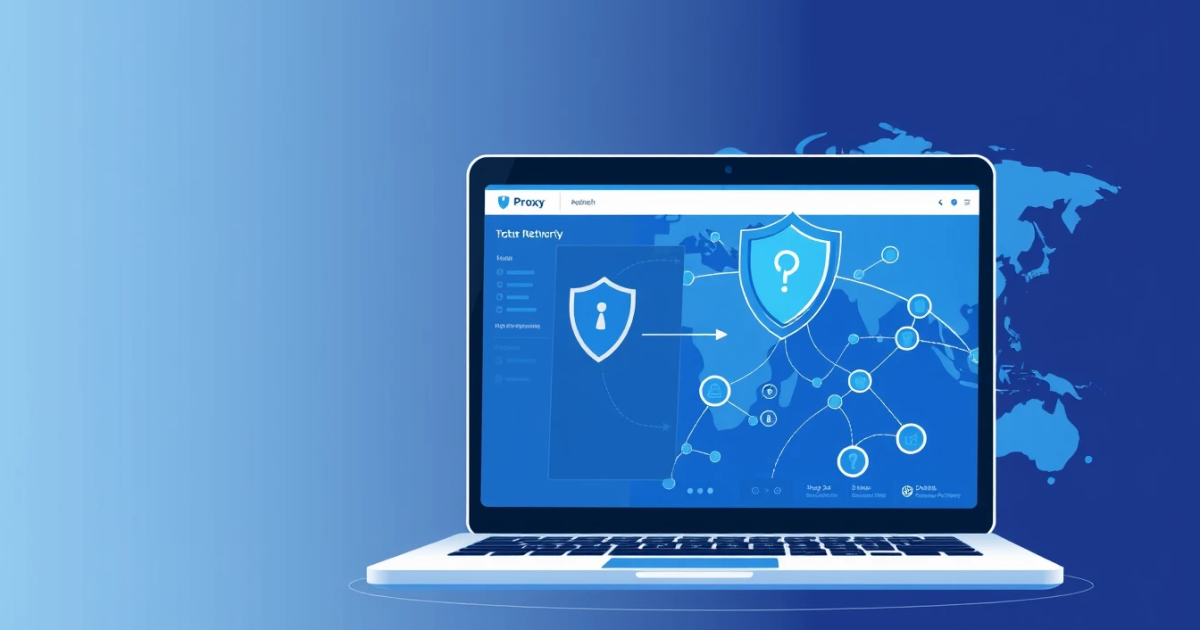
These proxies function through gateways that connect your device to the intended website, masking your actual IP address and taking on the appearance of a user from India.
Practical Scenarios
Here are some common use cases for Indian residential proxies:
- Web Scraping: Collecting data from Indian websites for research, market analysis, or competitive intelligence.
- Ad Verification: Checking local advertisements to ensure they appear correctly for Indian audiences.
- Status Monitoring: Tracking how local websites are performing or checking availability in specific regions.
- SEO Tools: Conducting SERP analysis from Indian IPs to understand local search engine rankings and user behavior.
- Social Media Management: Accessing platforms from India to monitor engagement and manage accounts more effectively.
- Content Testing: Accessing Indian-specific content or making sure content rendering is appropriate for users in India.
- Price Comparison: Monitoring product prices on regional platforms by gathering data biased by IP geographic location.
Step-by-Step Usage Guide
Using an Indian residential proxy involves several straightforward steps:
- Go to PinkProxies.
- Create an account by registering on the platform.
- Select the Indian residential proxy service that best fits your needs.
- Choose your usage plan, which may include options for specific cities or provider ISPs within India.
- Access and save your proxy credentials: these typically include an IP address and port.
- Configure your browser, scraping tool, or software to use the new proxy settings.
- Run tests to ensure proper connection and functionality before undertaking larger projects.
Safety/Privacy/Legal
When using residential proxies, safety and compliance with local laws are paramount. Here are essential tips:
- Always ensure the use of proxies aligns with local regulations showing transparency about your data practices.
- Be aware of the terms of service of the websites from which you are scraping data. Violating these terms can lead to account bans or legal action.
- Utilize proxies for:
- Research
- Market analysis
- Competitive intelligence
When using proxies, do not attempt to bypass paywalls, authentication systems, or exploit sensitive personal data.
Best Alternatives
While Indian residential proxies can meet specific needs, consider the following alternatives for different key functionalities:
- Datacenter Proxies: For faster access and a broader range of IPs at a lower cost.
- Mobile Proxies: Best suited for working with mobile applications or services, perfect for managing social media from mobile devices.
- ISP Proxies: Suitable for enhanced stability and compliance with residential IP usage while providing speed similar to data centers.
If you decide that Indian residential proxies fit your needs, PinkProxies offers various proxy types designed to supply stronger proxy access along with reliable customer support.
Frequently Asked Questions
Q: What is a residential proxy?
A: A residential proxy uses IP addresses associated with real residential homes rather than data centers, providing higher legitimacy and lower blocking rates.
Q: Why should I use Indian residential proxies?
A: Indian residential proxies allow access to content and services tailored to Indian users while reducing risks associated with broad data center traffic.
Q: How does IP blocking work?
A: IP blocking is a method employed by websites to prevent users from accessing their services when they detect issues they suspect to arise from proxy use, such as automated data scraping.
Q: Are residential proxies safe to use?
A: Yes, when used responsibly and in compliance with legal regulations and the terms of the websites accessed, residential proxies can safeguard your real IP and enhance anonymity.
Q: Can residential proxies be tracked?
A: While your traffic appears to originate from a residential ISP, consistent and unusual accessing patterns may alert websites to the usage of proxies.
Q: How do I choose a proxy provider?
A: When selecting a provider, consider factors such as speed, stability, geographical options, customer support, and pricing plans.
Q: How can I check if a proxy is functioning correctly?
A: You can verify proxy function by navigating to a public IP checking website through it. If you see an IP address relevant to India, it’s functioning properly.
Q: Is it legal to use residential proxies for scraping data?
A: The legality of data scraping varies based on factors like the site you're scraping from, local laws, and whether you comply with the site's terms of service.
Q: How often should I rotate my proxies?
A: Regularly rotating your proxies (especially for scraping tasks) helps prevent detection and blockages. Adjust your interval based on your data volume and the nature of the target websites.
Q: What is a sticky session in proxy use?
A: A sticky session ensures that you maintain the same IP for the entire session, which is useful for sites that require persistent identity for tasks like logging in.
Conclusion
Understanding Indian residential proxies opens up new pathways for legitimate internet use, whether you're interested in data scraping, competitor analysis, or simple online browsing security. Always align your usage with ethical and legal standards to reap the most benefits. If Indian residential proxies resonate with your needs, consider exploring options from a reliable provider like PinkProxies, which offers a comprehensive set of proxy plans designed for different requirements.