Introduction
If you've searched for "mobile proxy API Belgium," you may be looking for reliable access to mobile proxy services adaptable for various applications in Belgium. Mobile proxies utilize IP addresses from real mobile devices, ensuring natural mobile user behavior online. In Belgium, mobile proxy APIs can offer significant advantages for tasks including data scraping, automated testing, and geo-targeting. In this article, we'll explore how mobile proxy APIs work, practical applications, safety considerations, and alternate services to consider, including PinkProxies.
What It Means / How It Works
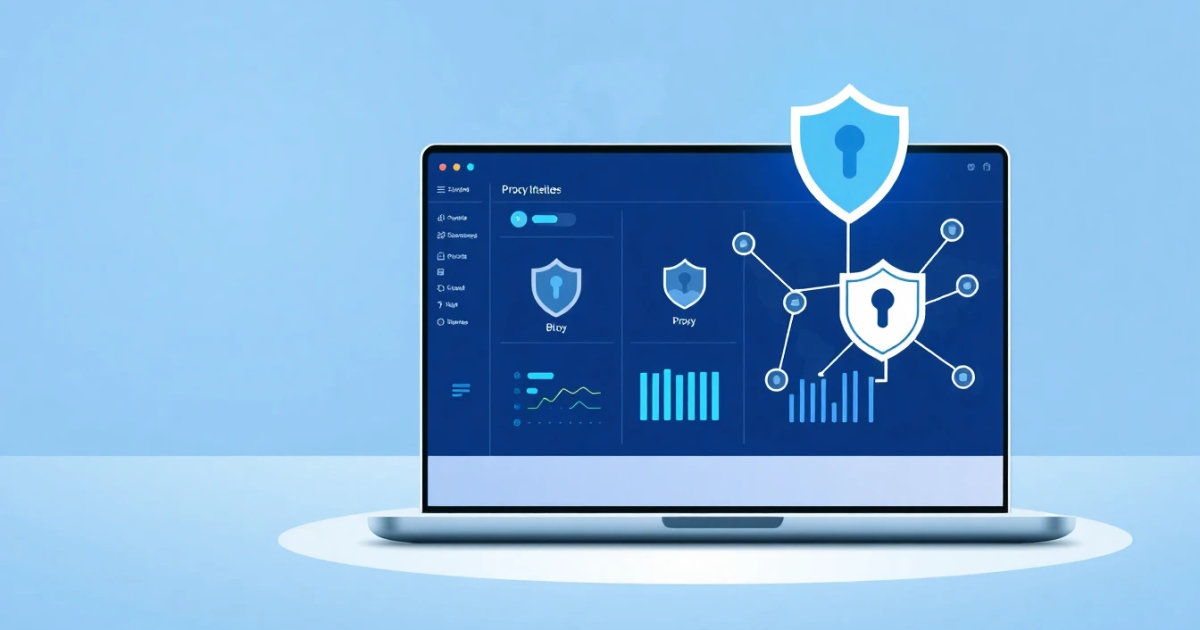
A mobile proxy API encapsulates the functionality of accessing the internet through a mobile device's network. It functions as an intermediary between your application and the target websites, providing mobile residential IP addresses varying in geographical location.
Key features include:
- Mobile IP Addresses: Each connection emanates from a unique mobile device IP, making it less likely for services to flag or block the proxy.
- Control Over Location: You can select from multiple Belgian locations for IP allocation, enhancing local targeting.
- Realistic User Behavior: Virtual requests appear authentic, duplicating the approach and experience of a real mobile user.
- API Integration: A mobile proxy API enables seamless, programmable access to these IPs through your applications, helping automate online workflows.
In a nutshell, leveraging a mobile proxy API allows you to simulate user behavior while accessing websites under various mobile networks in Belgium without encountering traditional restrictions.
Practical Scenarios
Mobile proxies are increasingly crucial for numerous activities, including:
- Running web scraping operations requiring location-specific data without geographical restrictions.
- Conducting competitive analysis by tracking pricing or inventory of local Belgian businesses.
- Testing mobile applications from various carriers and devices, ensuring efficiency across different scenarios.
- Accessing restricted or geo-blocked content available only to users from Belgium.
- Performing SEO analysis with true local user simulations, assisting in local keyword rankings.
- Completing automated account management tasks, without restrictions freezing accounts due to bot-like behavior.
- Verification of location-based targeted advertisements, ensuring accuracy and relevancy.
- Facilitating data collection for market research in the local Belgian market.
- Gathering intelligence for agility in decision-making through local responses from targeted users.
- Accessing social media APIs without running into platform blocks common with static IPs.
Step-by-Step: How to Use a Mobile Proxy API in Belgium
To effectively integrate and use a mobile proxy API in Belgium, follow these steps:
- Visit a reliable mobile proxy service provider's website, such as PinkProxies.
- Register for an account and choose a plan that suits your requirements.
- From the dashboard, select the mobile proxy API service and configure your options, opting for Belgian proxy locations where available.
- Collect your authentication keys, and understand the API request structure necessary for implementation.
- Integrate the proxy settings into your application, ensuring the use of a programming language compatible with API requests.
- Test the integration with target web resources to verify that the mobile proxy operates efficiently.
- Monitor the request logs for insights about performance, session behavior, success rates, and potential issues.
- Readjust your settings as necessary, optimizing for successful connectivity while maintaining stability and compliance with terms of service.
Safety/Privacy/Legal Considerations
When leveraging mobile proxies, especially for activities like data scraping or tracking, it’s essential to consider legality and ethical practice:
- Respect Site Rules: Before scraping or querying, consult the respective website’s terms of service and adhere to their regulations.
- Privacy Compliance: Ensure the information you’re gathering is compliant with privacy laws such as GDPR when operating in Europe, including Belgium.
- Responsible Use: Mobile proxies should be employed creatively and responsibly. Avoid misuse, which may lead to blacklisted IPs or legal repercussions.
- Avoid Personal Data Aggregation: Aggregating sensitive data or attempting to game licensing regulations can lead to significant penalties.
Best Alternatives
If a specific mobile proxy solution doesn’t align with your needs, consider alternatives. Various services offer a range of proxy types tailored to different scenarios. Notably, look for providers that offer:
- Residential proxies for engagements requiring established credibility.
- Datacenter proxies for low-latency, high-speed transactions.
- ISP proxies that bridge residential IPs with datacenter speeds.
Keep in mind that if you’re interested in quality solutions for your proxy networking, exploring services like PinkProxies may also lead to an optimal solution.
Frequently Asked Questions
Q: What are mobile proxies used for?
A: Mobile proxies are primarily used for secure browsing, web scraping, automated data collection, and running localized interfaces without unwanted blocks.
Q: How do mobile proxies work?
A: They route your internet requests through real mobile devices, providing IP addresses that are perceived as legitimate mobile user connections.
Q: Are mobile proxies legal?
A: Yes, as long as users adhere to the terms of service of the websites they interact with and follow local laws regarding data handling and privacy.
Q: Why choose a mobile proxy over other types?
A: Mobile proxies offer more anonymity and lower block rates when accessing mobile-sensitive data compared to datacenter and residential proxies.
Q: Can using proxies slow down performance?
A: Performance may vary based on the proxy's location and quality. Numerous connections through busy mobile networks can result in slower speeds, so select accordingly.
Q: What is an API in this context?
A: An API (Application Programming Interface) provides a way for your systems to communicate with the mobile proxy service programmatically for seamless action.
Q: How can I test a mobile proxy API before committing?
A: Many providers offer trial services that allow you to utilize at reduced rates or limited time outside of subscription, ensuring its effectiveness for your needs.
Q: What's the difference between a mobile validator and a mobile proxy?
A: A mobile validator checks mobile specifics like location and correct format governance while a mobile proxy manipulates user requests to mask origin IP addresses.
Q: Can I scrape websites that guard against data, like travel sites?
A: While technically possible with mobile proxies, ensure you're compliant with legal frameworks and terms of service associated with those platforms.
Q: How do mobile proxies handle cookies and sessions?
A: Mobile proxies maintain user sessions in a compliant manner, helping ensure access to personalized content and avoiding repeated authentication burials.
Conclusion
Utilizing a mobile proxy API in Belgium opens several avenues for data access providing unique advantages. By connecting through mobile IPs, you achieve lower instance blockages and cleaner data for local operations. Ensure compliance through ethical scraping practices, regularly refresh your proxy options, and explore viable alternatives if needed, such as PinkProxies.