Introduction
In today’s digital landscape, online privacy and security are more crucial than ever. If you’ve searched for "private residential proxies," you might be curious about how they work and why they matter. Private residential proxies provide anonymity by routing your internet traffic through real user devices rather than standard data center servers. This article will break down the concept, demonstrate practical scenarios in which they are useful, and guide you in using them safely and legally.
What It Means / How It Works
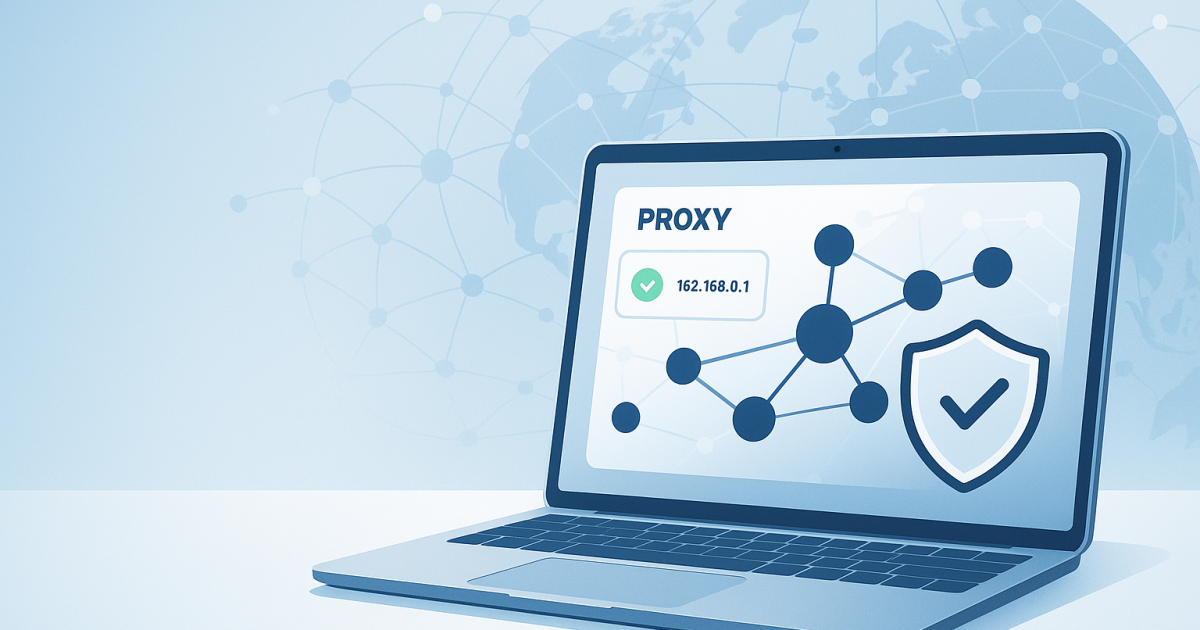
Private residential proxies are dedicated proxy servers that use IP addresses assigned to residential homes. Unlike datacenter proxies, which use IP addresses from cloud hosting services, residential proxies operate through real devices connected to the internet. These proxies bridge your connection to websites and services while masking your original IP address.
Here’s how they work:
- Routing Your Connection: When you connect through a private residential proxy, your requests are sent through a real residential IP address, making it appear as if you are browsing from a regular home connection.
- IP Anonymity: The websites you access only see the proxy's IP address, not your own, which protects your identity and location.
- High Success Rate: Many services, such as social media platforms and e-commerce sites, have measures to block datacenter IPs, but residential proxies usually bypass these restrictions more effectively because they look like legitimate users.
Practical Scenarios
Private residential proxies have various applications. Here are some scenarios where using them can be especially beneficial:
- Web Scraping: For data collection from websites that restrict access, whether for market research or SEO, a residential proxy adapts to get through IP blockages.
- Ad Verification: Check how your ads appear in different locations without being flagged for suspicious activity. Use residential proxies for authentic local testing.
- Competitive Analysis: Monitor competitors’ websites from various locations to get localized insights about pricing and product offerings.
- Social Media Management: Create and manage multiple accounts anonymously, reducing the risk of blocking when managing many profiles across platforms.
- Travelfare Comparison: Access country-specific pricing on travel or product websites that may have different rates based on location.
- Reduced Latency: Stay connected with services that rely on faster response times by connecting from an IP closer to the data source.
- Secure Web Research: Safely browse sensitive topics or conduct research without the risk of your activity being associated with your personal information.
- Sneaker and Ticket Purchasing: Automate the buying process with rotated IP addresses to maximize your chances of securing highly sought-after items online.
Step-by-step: How to Use Private Residential Proxies
Using private residential proxies is fairly straightforward. Follow these steps to get started:
- Go to a reputable proxy service provider. If you’re seeking options, you can start at PinkProxies.
- Create an account, providing the necessary details for registration.
- Choose a pricing plan that suits your needs. Many providers offer flexible options based on usage.
- Select the city or country from which you wish to obtain a residential IP address.
- Integrate the chosen proxy into your browser or application settings according to the provider’s instructions.
- Test the connection to ensure your requests route correctly before deploying in any high-volume task.
- Regularly monitor your usage and performance to fine-tune the proxy setup for your specific needs.
Safety / Privacy / Legal
When using private residential proxies, it’s essential to consider safety, privacy, and legal implications:
- Ethical Usage: Use residential proxies for legitimate activities. Avoid hacking, phishing, or any conduct that breaches terms of service.
- Legislation Compliance: Understand local laws regarding privacy and data protection before employing proxy services for data harvesting or monitoring.
- Privacy Practices: Not all proxies guarantee complete anonymity. Choose a provider that does not log your data or share your information.
- Consent and Respect: When scraping websites, respect their robots.txt files and other terms of service to avoid disruptions or legal issues.
Best Alternatives
While private residential proxies are highly beneficial for many activities, you may also consider other types of proxies for different scenarios. For example, datacenter proxies can be faster and cheaper, especially for tasks like automation where high anonymity is less critical.
If you're evaluating proxy types for different tasks, PinkProxies offers a range of services that can meet diverse user needs with flexible setups.
Frequently Asked Questions
Q: What exactly are private residential proxies?
A: Private residential proxies are IP addresses assigned to real homes rather than data centers. They help you browse anonymously as if accessing a website from your own home.
Q: How do private residential proxies differ from datacenter proxies?
A: Residential proxies use IPs from real residential users, while datacenter proxies come from high-speed servers. This difference affects their effectiveness for various tasks, particularly regarding bypassing blocks.
Q: What situations are private residential proxies best suited for?
A: They are ideal for web scraping, ad verification, geo-targeted data collection, and activities needing high IP anonymity.
Q: Are private residential proxies legal to use?
A: Yes, using proxies is legal, but it's important to ensure that your activities comply with local laws and the terms of service of the websites you access.
Q: Can proxies slow down my internet connection?
A: Depending on the Proxy type, your internet speed may vary. Residential proxies may sometimes be slower than datacenter options due to latency but generally maintain sufficient speed for browsing.
Q: Is my data secure with private residential proxies?
A: It depends on the provider. Choose a proxy service that guarantees no logging and utilizes secure connections to protect your data.
Q: How do I know if I should use a private residential proxy?
A: If you require anonymity for activities such as competitive analysis, ad verification, or web scraping, a private residential proxy is often a suitable choice.
Q: Do residential proxies allow for multiple sessions?
A: Yes, many providers offer features that allow for multiple concurrent connections and sessions using different IPs.
Q: Can I switch between residential and datacenter proxies?
A: Yes, many service providers give you the flexibility to switch depending on your project requirements.
Q: How often do I need to change my proxy?
A: Regular changes may help in improving reliability and reducing risk of bans. Depending on your usage, changing proxies every few hours can be beneficial.
Conclusion
Private residential proxies can enhance your online activities by providing anonymity and bypassing restrictions effectively. From data scraping to accessing geo-restricted content, they offer solutions to many common internet usage concerns. Always prioritize safely and ethically using your proxies to avoid legal issues.
For those who want a reliable proxy experience, explore alternatives like those available at PinkProxies, where you can find varied proxy types catered to different needs and parts of the globe.