Introduction
As businesses increasingly leverage data for decision-making, the need for reliable and efficient data collection methods has grown. Among these methods, using residential proxies for API data collection has proven especially effective. This approach allows you to gather data more seamlessly and ethically, reducing risks associated with web scraping and mass data retrieval.
What It Means / How It Works
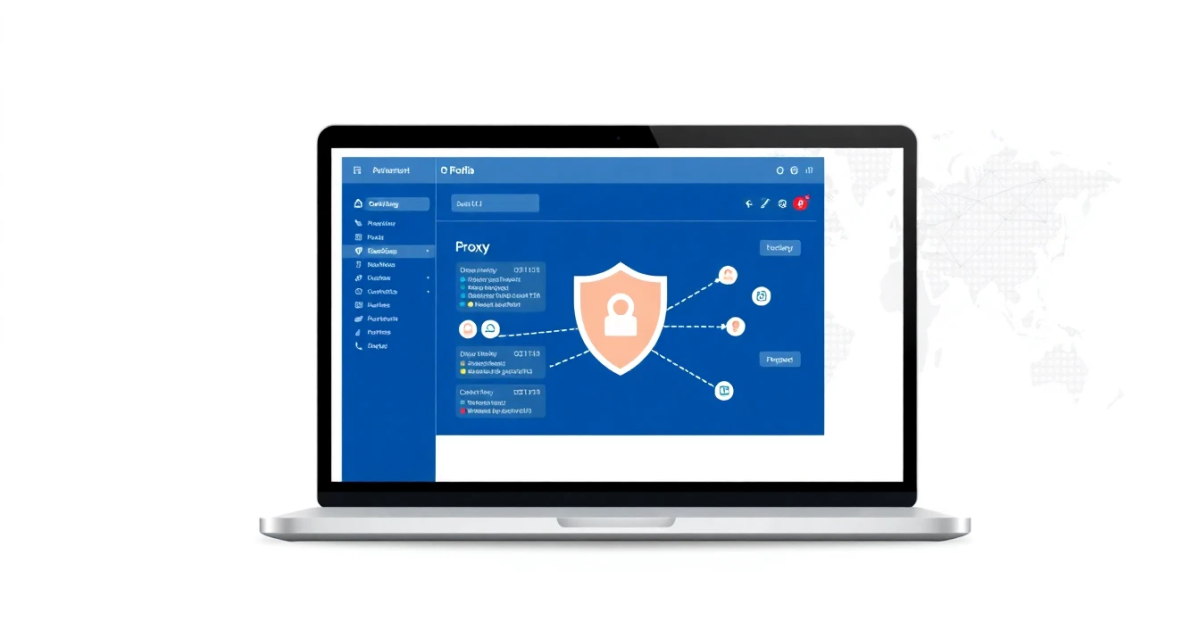
Residential proxies are IP addresses assigned to real residential devices, as opposed to datacenter IPs that come from servers. When you leverage residential proxies for API data collection, you essentially route your requests through real user devices, making them less likely to be flagged or blocked by the target server.
Here’s how it works:
- IP Address Assignment: You can obtain residential IPs through a proxy provider.
- Request Routing: Your data requests are routed through these IPs instead of going directly from your system.
- API Tolerance: Many web services, especially APIs, enforce strict rate limits and will block requests that appear to come from automated systems or data centers. Residential proxies help you work around these limitations.
- Data Retrieval: Whether you are collecting public data or interacting with complex APIs, the end request will originate from the proxy IP, providing a level of anonymity and security for your operations.
Practical Scenarios for Using Residential Proxies
There are multiple practical applications for residential proxies when conducting API data collection. Here are some examples:
- Market Research: Gather data from competitors and consumers without raising red flags. This can include scraping social media platforms or survey data.
- Price Monitoring: Track pricing changes in real-time across different geographies. With residential proxies, you can emulate being a local user browsing the competitor's site.
- SEO Monitoring: Check keyword rankings or SERP performance globally without the risk of rate-limiting that standard scanning tools face due to detected bot behavior.
- Travel Fare Aggregation: Continuously collect fare data from various travel websites to ensure your service offers value through competitive pricing.
- Localized Data Analysis: Obtain region-specific data which allows your business to tailor trends and services more appropriately.
- Ad Verification: Ensure that your ads are displayed as intended and are not subject to fraud or tampering. This can include verifying ad placements on various channels or websites.
Step-by-Step Guide to Using Residential Proxies for API Data Collection
Getting started with residential proxies for API data collection involves a few straightforward steps:
- Go to PinkProxies and select a residential proxy plan that suits your needs.
- Create your account and log in to your dashboard.
- Add funds to your account to activate your proxy.
- Choose your residential proxy plan, which may involve selecting specific countries or cities, depending on your requirements.
- Receive your unique residential proxy IP and port information.
- Set up your API client (like Postman, Python, etc.) to use the proxy settings. Make sure to input the provided IP and port in the proxy settings of your client.
- Run a few test requests to verify that your API calls are being routed through the residential proxy.
- Once validated, proceed with your extensive data collection. Remember to monitor for any errors or rate limits from each request you'll be making.
- Optimize your request frequency to stay under the radar, adjusting based on the API's guidelines.
Safety, Privacy, and Legal Considerations
It’s essential to approach data collection ethically to safeguard your business from potential risks. When using residential proxies for API data collection, consider the following:
- Comply with Terms of Service: Read the target site's terms of service to ensure your activity aligns with their requirements.
- Respect Rate Limits: Avoid sending too many requests at once that might trigger anti-bot measures.
- Data Privacy Regulations: Ensure that your data collection practices comply with laws such as GDPR or CCPA, especially if you are collecting sensitive information.
- Use Reliable Proxy Providers: Opt for cohesive third-party residential proxy providers like PinkProxies, guaranteeing a network that you can trust.
Best Alternatives to Residential Proxies for API Data Collection
If for some reason residential proxies don't suit your needs, there are other options to consider:
- Datacenter Proxies: These proxies are faster and cheaper but may be less effective for websites with strict scrutiny on IP origins.
- ISP Proxies: These offer a balance between speed, legality, and reliability, being tied to Internet Service Providers, adding an element of legitimacy.
- Mobile Proxies: For scenarios needing mobile-specific data, these proxies provide high anonymity while mimicking mobile IPs.
For many users, though, the combination of affordability, location diversity, and ease of use that comes from residential proxies remains unmatched for API data collection tasks.
Frequently Asked Questions
Q: Why should I use residential proxies for API data collection?
A: Residential proxies provide genuine IP addresses, making your API requests appear more legitimate and reducing the risk of being blocked.
Q: Are residential proxies legal to use for data collection?
A: In general, using residential proxies for legitimate purposes is legal. However, ensure that your data collection adheres to the target site's terms and relevant privacy laws.
Q: How do residential proxies differ from datacenter proxies?
A: Residential proxies use real IP addresses from residential households, while datacenter proxies are hosted on servers and can be easily flagged. Residential proxies generally offer better anonymity.
Q: Can I use residential proxies for SEO tools?
A: Yes, residential proxies can enhance SEO tools by allowing localized search result analysis without risking bans or rate limiting.
Q: How do I know if my requests are being blocked?
A: Blocked requests may return error codes like 403 or 429, indicating restricted access or too many requests sent in a short time frame.
Q: What is the best frequency for making API requests using residential proxies?
A: It depends on the specific API's rate limit. Generally, adhere to limits defined in their documentation and err on the side of caution by spacing your calls appropriately.
Q: Do residential proxies slow down my API requests?
A: There may be slight performance overhead compared to direct connections, but the benefits in terms of access and reduced bans usually outweigh the downsides.
Q: How do I set up my API client with a residential proxy?
A: Input the provided proxy IP and port into your client's proxy settings, ensuring your requests use those details.
Q: What happens if my residential proxy fails during data collection?
A: Monitor your proxy status closely. If you experience a failure, you can quickly switch to a new residential IP from your provider or contact support.
Q: Why can’t I access certain data even with residential proxies?
A: Some websites may still restrict access through other means, such as checking suspicious activity patterns. Ensure you’re following best practices for data collection.
Conclusion
Leveraging residential proxies for API data collection can profoundly enhance your data-gathering strategies while maintaining safety and compliance with regulations. Their practicality, adaptability, and reduced risk of being flagged can empower you to gather critical data efficiently. If you want to explore options in residential proxies, consider visiting PinkProxies to get started on your data collection journey today.