Introduction
In today's fast-paced financial market, accurate and timely data is crucial for making informed decisions. Collecting this data, however, can be challenging due to restrictions and competitive barriers set by various websites. This is where rotating proxies come into play. In this article, we'll explore the concept of rotating proxies specifically for financial data collection, how it works, practical applications, and safety considerations.
What It Means / How It Works
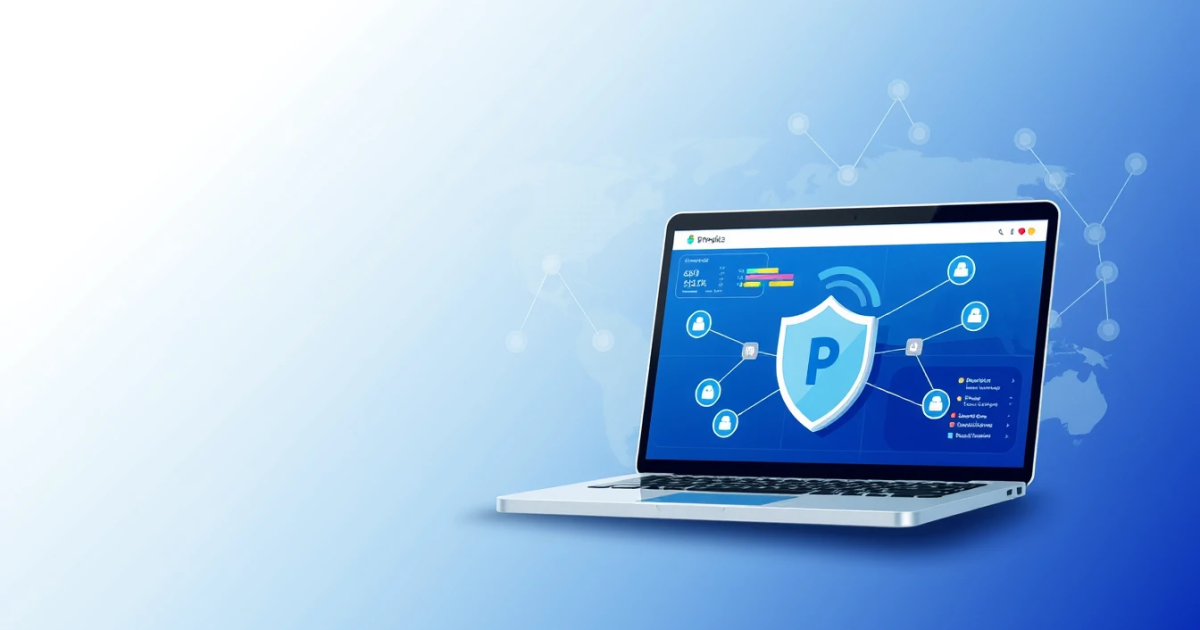
Rotating proxies are specialized proxy servers that dynamically change the IP address assigned to your connections during data requests. Unlike static proxies, which use a single IP address for all requests, rotating proxies offer a pool of IPs from different locations and may change with each request or session. This dynamic rotation helps bypass geographical restrictions and prevents bans, making it a preferred choice for extracting financial data.
The essential components of rotating proxies include:
- IP Rotation: Each request you make can be routed through a different IP address from a predefined pool, enhancing anonymity.
- Request Distribution: Rotating proxies intelligently distribute requests, minimizing the risk of being flagged or blocked.
- Session Management: You can set cookies and maintain session state, essential for visiting sites requiring logins.
The process starts when you use a tool to send requests via your rotating proxy. As you gather data, you receive responses without triggering the site's security measures, as each call appears to come from a different user.
Practical Scenarios
Rotating proxies are highly versatile and can be used in various financial contexts, including:
- Market Research: Collecting data from competitors’ websites to gauge pricing trends and client offers.
- Price Comparisons: Monitoring prices across different geographical regions without being blocked.
- Ad Verification: Ensuring your ads are displayed as intended across various platforms by continuously checking from different locations.
- Trading Bots: Implementing trading strategies in real-time and gathering market data for algorithm testing.
- Sentiment Analysis: Scraping social media or news pages to analyze trends affecting specific stocks or markets.
- API Access: Accessing financial data APIs that might limit requests based on IP geolocation.
- Scraping Historical Data: Gathering historical financial data, essential for technical analysis.
- Lead Generation: Identifying lucrative investment opportunities by scanning investment forums and platforms.
- Compliance Testing: Checking if your data collection techniques comply with relevant regulations.
- User Testing Simulations: Simulating user behavior from multiple locations to evaluate systems or services within financial institutions.
Step-by-Step
Setting up rotating proxies for financial data collection may seem daunting, but here is a simplified step-by-step guide:
- Go to PinkProxies and create an account.
- Choose a proxy plan that includes rotating proxies. Ensure it supports your target geographic locations.
- Purchase credits or subscription based on your data collection needs.
- Generate or receive your proxy list and login credentials from the provider.
- Configure your data scraping tool or scripts with the new proxy details, making sure to use correct authentication.
- Start perlinating requests through the proxy server while maintaining rotation options.
- Conduct a short test run to verify everything works as expected and monitor the results for failures.
- Adjust your settings or change proxies if you notice any limitations on success rates.
- Start full-scale implementation, monitoring performance and adjusting as necessary.
Safety/Privacy/Legal
While using rotating proxies presents many advantages, it's crucial to stay aware of legal frameworks and ethical implications:
- IP Respect: Be sure to check the terms of service of the website you are collecting data from. Excessive scraping can lead to bans.
- Ethical Considerations: You must ensure that your data collection respects data ownership and does not infringe on user privacy.
- Robots.txt: Adhere to guidelines set by webmasters via the robots.txt file. Ignoring it may lead to restrictions or legal challenges.
- Data Legislation: Familiarize yourself with local and international laws regarding data use (such as GDPR in Europe).
Using rotating proxies responsibly allows you to gather financial data effectively while respecting others' rights and legal requirements.
Best Alternatives
If you're considering using rotating proxies for financial data collection, you may also want to explore other options. For example, PinkProxies offers a blend of affordability and reliability that can effectively support your project's needs with various proxy types tailored for specific query environments.
Frequently Asked Questions
Q: What are rotating proxies?
A: Rotating proxies are proxy servers that change the IP address assigned to your connection periodically, making it appear as if requests come from different users to prevent bans.
Q: Why are rotating proxies important for financial data collection?
A: They help you gather data securely and efficiently while avoiding blocks, which is especially valuable in lead-sensitive environments like finance where data rapidly changes.
Q: Can I use free proxies for financial data collection?
A: While free proxies may seem tempting, they often lack reliability and security, leading to higher disadvantages in data scraping activities.
Q: How do I choose the right rotating proxy service?
A: Consider factors like pool size, location availability, connection speed, and how they specifically support financial data scraping needs.
Q: Are there risks associated with using rotating proxies?
A: Risks include potential spoofing detection by target sites if not managed properly, as well as the legal implications of improperly gathered data.
Q: Will using rotating proxies affect my request speed?
A: The speed can vary based on the proxy's configuration, distance to target location, and the density of usage, so monitoring initial setups is essential.
Q: Can I automate the data collection process with rotating proxies?
A: Yes, most web scraping tools allow you to configure proxy settings and automate data-gathering processes securely and efficiently.
Q: How many proxies do I need for effective data scraping?
A: This depends on the volume of data and the websites you are scraping. Multiple proxies help you avoid rate limiting and minimize the chances of failure.
Q: Do rotating proxies work for APIs as well?
A: Yes, rotating proxies can be used to access APIs that have geographical restrictions or rate limits during data requests.
Q: What measurements should I track while using rotating proxies?
A: It's important to monitor request success rates, time taken for responses, and how often different proxies are getting blocked or rate-limited.
Conclusion
Using rotating proxies is an excellent method for efficiently collecting financial data without falling prey to blocks or bans. Whether you are examining competitive pricing, analyzing market trends, or navigating complex API requirements, rotating proxies can deliver the flexibility you need. Begin your journey today with a reliable provider like PinkProxies, which can help simplify the intricate settings required for achieving your financial data collection goals.