Introduction
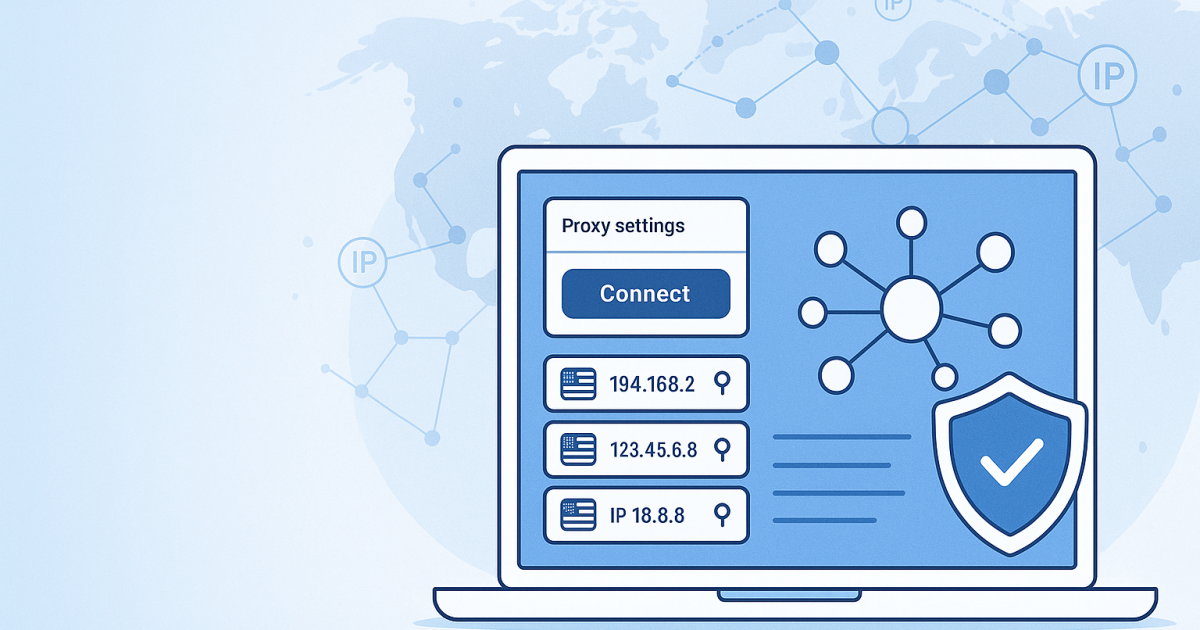
As businesses increasingly rely on data extraction for insights and strategy, having a robust proxy setup becomes critical. Whether you need to aggregate information from various web services or test APIs without risking an IP ban, finding the best proxy API for data collection can make the process seamless and efficient. This article explores what a proxy API is, how it works, and why it is essential for successfully collecting data via APIs.
What It Means / How It Works
A proxy API works as a gateway between your service and the target APIs you wish to access. Essentially, it hides your real IP address while performing requests to the targeted APIs. This anonymity allows you to collect data without the risk of being blocked or banned. Here's how it works:
- The client sends a request to the proxy API.
- The proxy API routes the request to the intended target API using masked IP addresses.
- The target API processes the request and returns the result to the proxy API.
- The proxy API then forwards this response back to your client application.
This method ensures that your actual IP remains unexposed, which is especially helpful in preventing rate limiting and throttling from service providers.
Practical Scenarios
Proxy APIs are beneficial in various scenarios, including:
- Market Research: Scrape competitor pricing data from retail APIs to analyze market trends.
- Miscalculation Prevention: Extract financial data from stock trading platforms without risking bans.
- Web Testing: Test different APIs for stability using various user geolocations.
- Data Aggregation: Gather user ratings and reviews from many aggregator services efficiently.
- SEO Monitoring: Track your SEO metrics and competitor data across multiple websites.
- Academic Research: Harvest data from publicly available APIs securely for research purposes.
- Price Monitoring: Update and surveillance of prices on competitor websites regularly.
- Social Media Analysis: Access social media APIs without account locks for data science use cases.
- Weather Forecasting: Collect weather data from different APIs continuously without downtime.
- Lead Generation: Use proxies to scrape information about businesses from different platforms.
Step-by-Step
Setting up your proxy API for effective data collection isn’t as difficult as it might seem. Follow these steps:
- Identify your data requirements: Specify what data you need and the sources needed.
- Choose the right proxy API service: Research various providers. Look for performance metrics suitable for your needs.
- Register and set up your account: Start by signing up at your chosen proxy API provider's website, such as PinkProxies.
- Configure API endpoints: Set up the proxy API’s endpoints for the specific APIs you're going to access.
- Test your connection: Ensure everything is operational by testing request and response cycles.
- Integrate with your software: Use a suitable programming language or tool to integrate the proxy APIs with your existing system.
- Monitor and maintain: Regularly check your API's performance and adjust configurations as necessary.
Safety / Privacy / Legal
Using proxy APIs raises several considerations regarding safety, privacy, and legal compliance. Here are a few key points:
- Respect Rate Limits: Ensure you adhere to the target API's rate limits to prevent bans.
- Understand Legal Implications: Ensure that data collection complies with theterms of service of the target API and local laws.
- Keep User Data Private: If collecting data from user APIs, ensure you have consent and are complying with data protection regulations.
- Choose Reliable Providers: Make sure the proxy provider's practices adhere to ethical standards.
- Avoid Malicious Sites: Scrape data only from reputable sources to mitigate the risk of legal penalties.
Best Alternatives
If you're exploring viable options for proxy APIs, several are worth considering. For example:
- Smartproxy: Known for rotating residential proxies, ideal for high volume scraping needs.
- Bright Data: Comprehensive data-scraping solutions, offering rotating IPs tailored for large enterprises.
- PinkProxies: Provides various proxy solutions suited for APIs with flexibility in location targeting where available.
Frequently Asked Questions
Q: What is a proxy API?
A proxy API acts as an intermediary between user requests and target APIs, masking the user's actual IP address for data collection.
Q: Why do I need a proxy API for data collection?
A proxy API helps avoid IP bans, enabling continuous and reliable access to target APIs for effective data collection.
Q: Are proxy APIs legal?
The legality of using proxy APIs depends on how you use them. Always consult user agreements and adhere to local laws before proceeding.
Q: How do I detect if a proxy API is working?
You can test the functionality by initiating requests and analyzing the response. Monitoring metrics like speed and success rates helps too.
Q: Can I use free proxies for API data collection?
Free proxies may seem attractive but often have poor reliability, slow speeds, and a high risk of bans. Paid services like PinkProxies typically provide more stability.
Q: What programming languages can be used with proxy APIs?
Most modern programming languages, such as Python, JavaScript, Java, and PHP, can easily integrate with proxy APIs utilizing HTTP requests.
Q: How many requests can I send through a proxy API?
This varies by provider and depends on your plan; higher-tier plans typically allow for more requests. Always respect rate limits of target APIs for effective scraping.
Q: What are rotating proxies?
Rotating proxies cycle through a set of IP addresses, allowing multiple requests without being flagged or limited, making them ideal for data collection.
Q: What is a sticky session?
A sticky session is when you're assigned a single IP for a definitive period during a session, often useful for maintaining user state across multiple requests.
Q: How do I choose the right proxy API?
Consider factors like speed, cost, customer support, geo-targeting capability, and user reviews when choosing the right proxy API.
Conclusion
Selecting the best proxy API for API data collection can improve your business insights, ensuring you can successfully acquire data while remaining anonymous. Understanding how these systems work, what practical scenarios they excel in, and the importance of privacy can help you to make informed decisions. For effective and responsible data collection with appropriate support, consider using proxy services like PinkProxies for your proxy API needs.